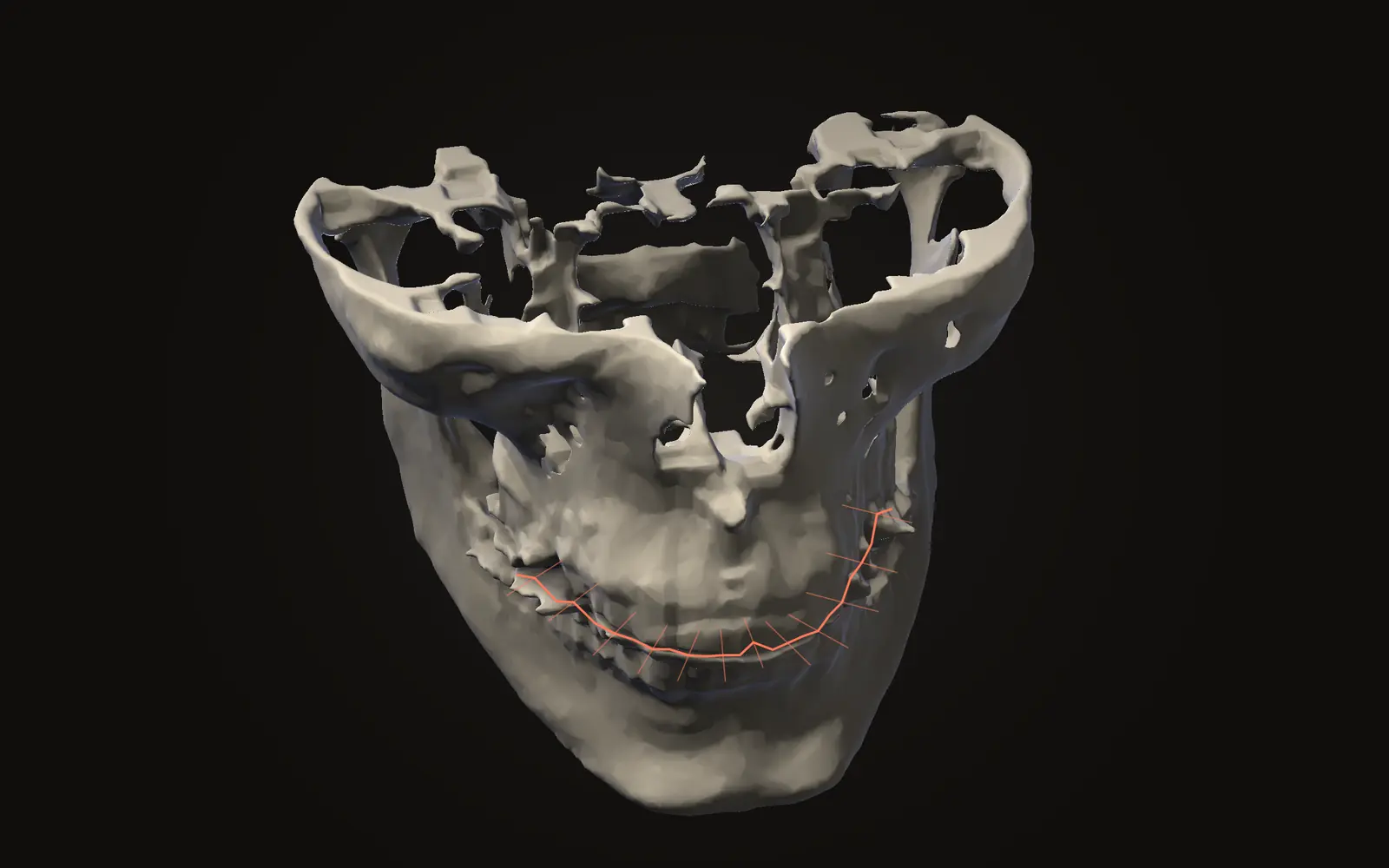
Understanding your scan
CBCT vs panoramic X-ray: what each one shows
A panoramic X-ray is one flat image, a CBCT scan is a 3D stack of slices. What each shows, what one study found about accuracy, and how the doses compare.
What CBCT and CT scans show, how much radiation they use, and what the measurements on them mean, with sources.
Understand how scans work and what their numbers mean, with explanations grounded in papers and guidelines.
Understanding your scan
A panoramic X-ray is one flat image, a CBCT scan is a 3D stack of slices. What each shows, what one study found about accuracy, and how the doses compare.
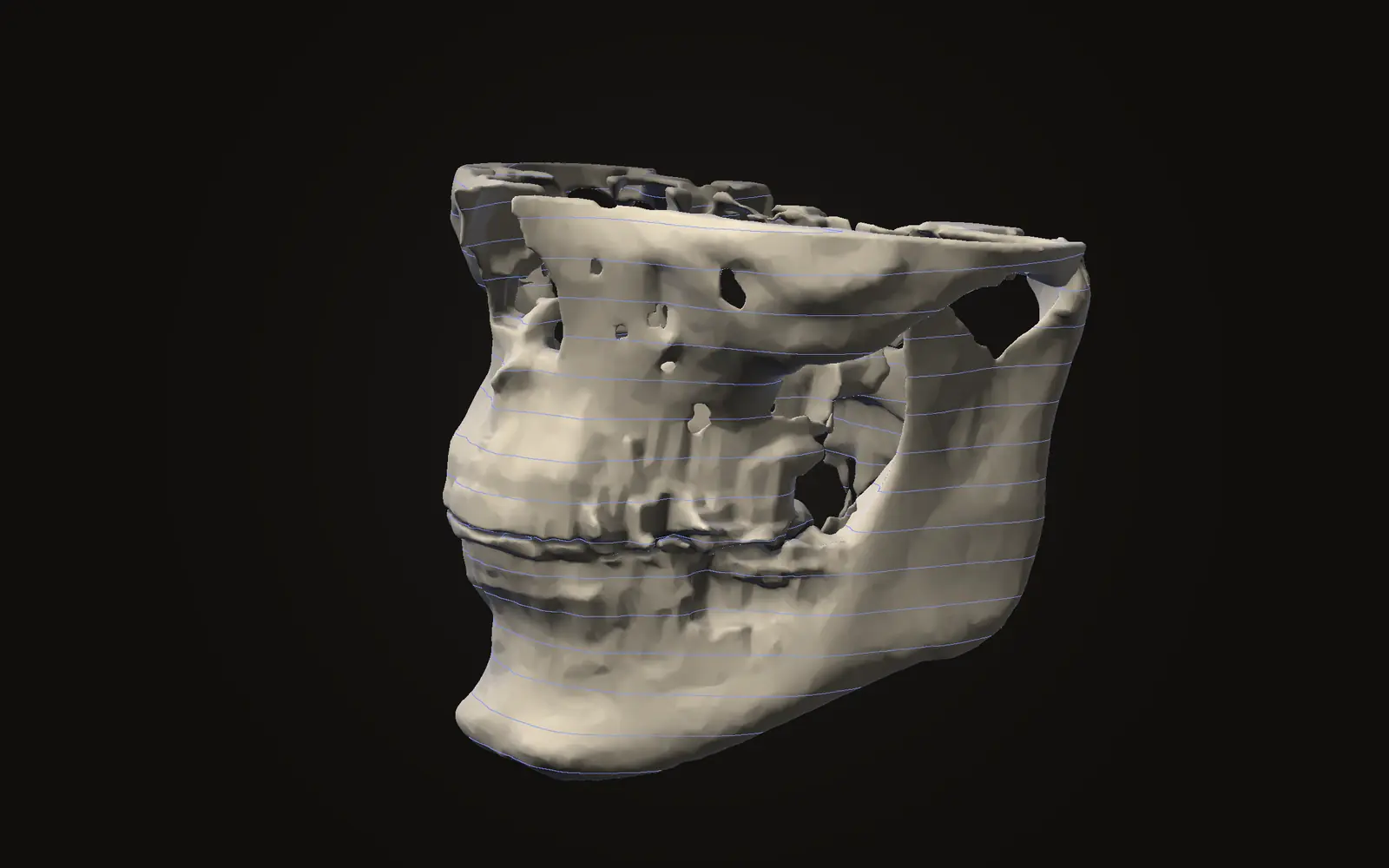
Understanding your scan
A dental CBCT and a hospital CT both build slices from X-rays. How the image quality, grey values and dose differ, and what the studies measured.
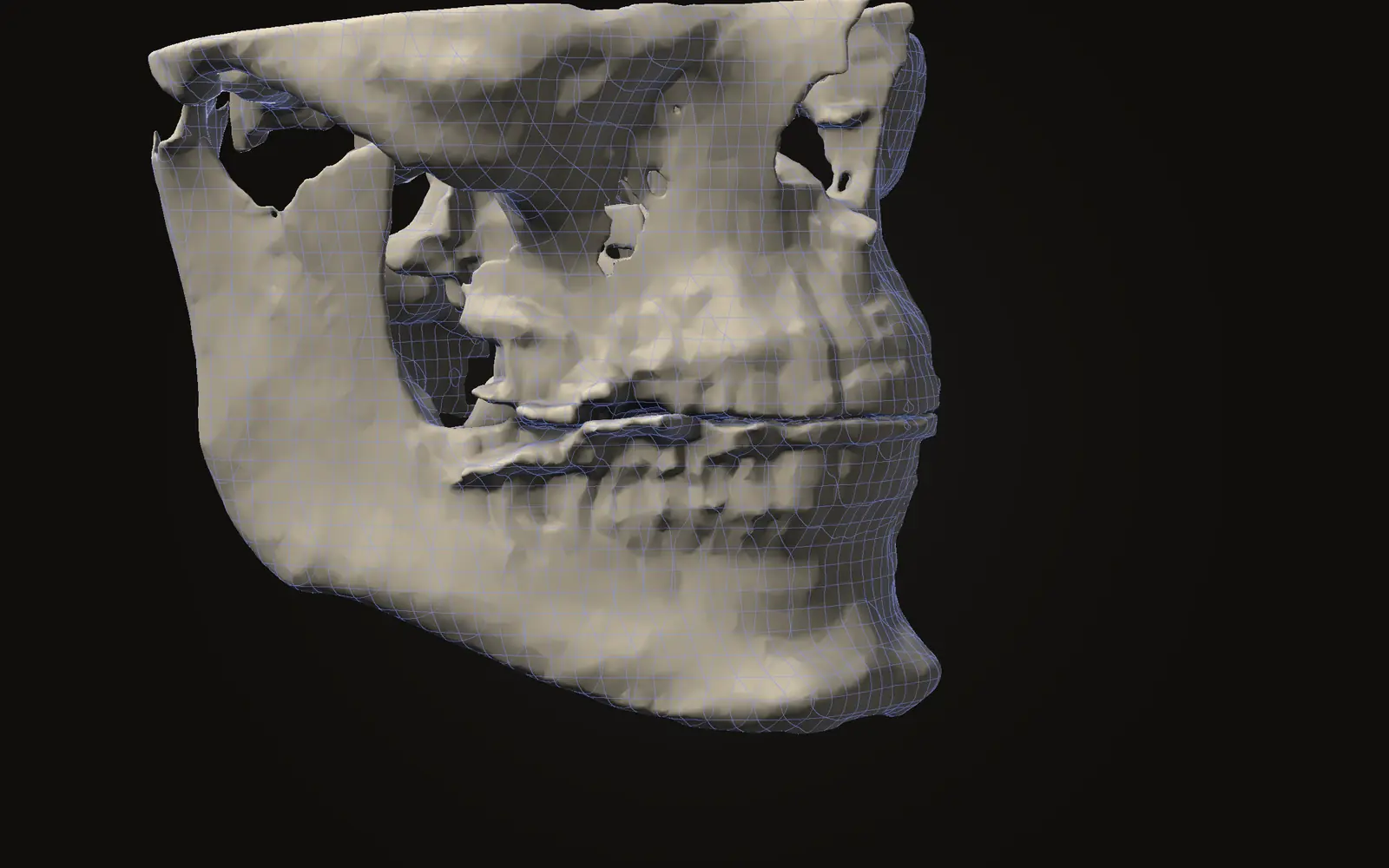
Understanding your scan
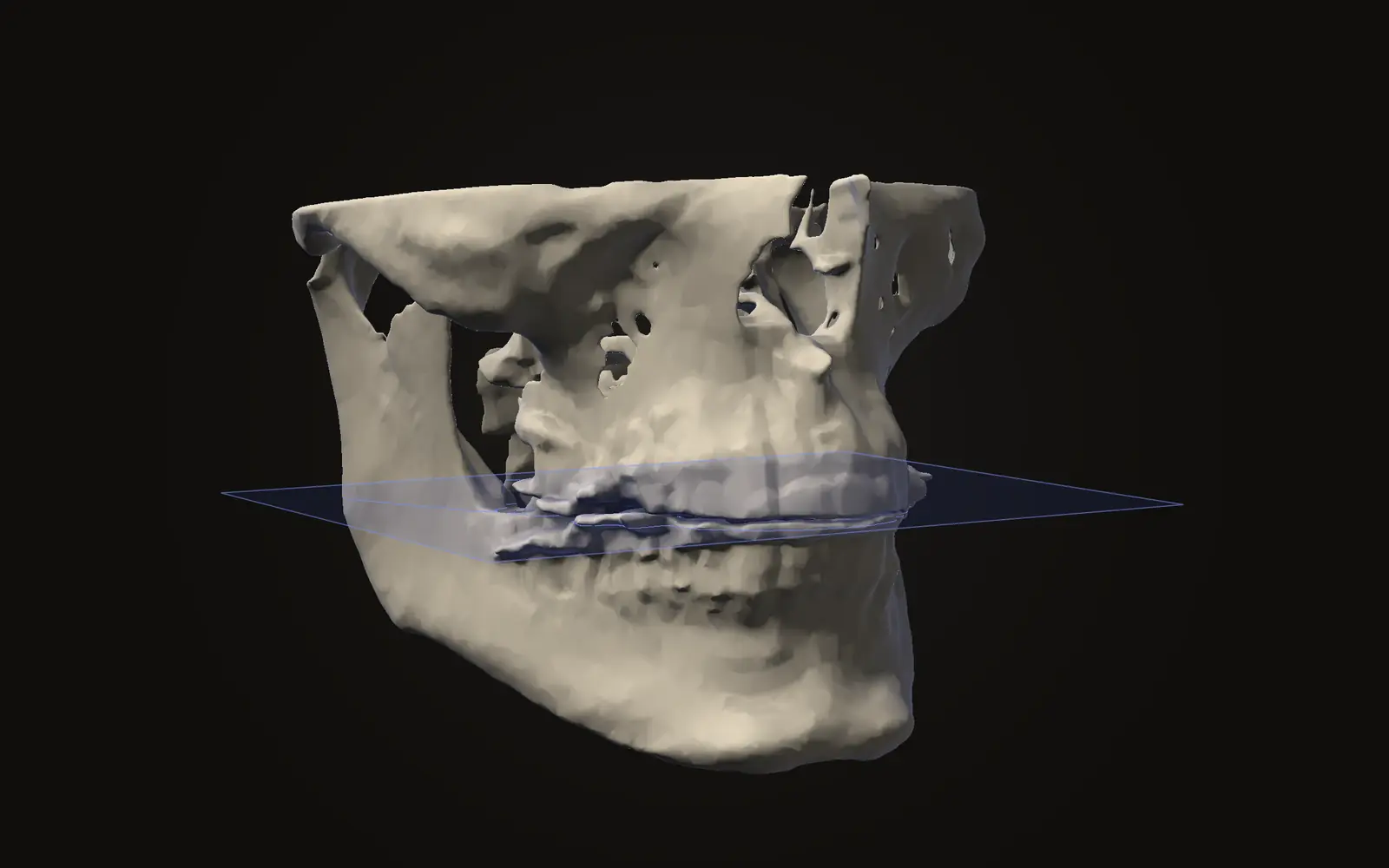
Voxel size is the grid a CBCT scan is stored on. Sharpness is set by more than the grid, and a larger voxel is often a deliberate choice to lower dose.
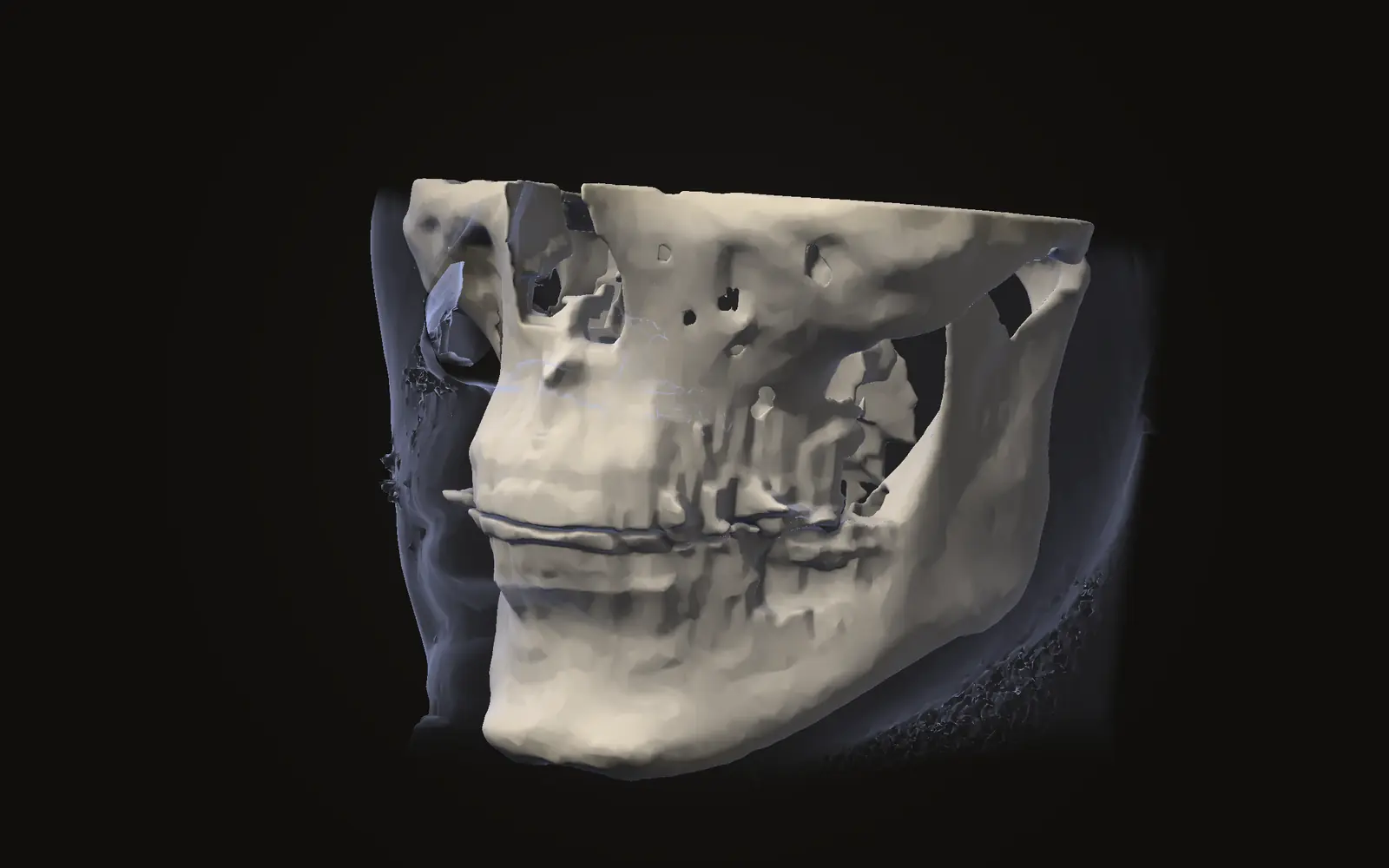
Understanding your scan
An incidental finding is something a scan shows that is unrelated to why it was taken. What the term means and how often studies report them.
Understanding your scan
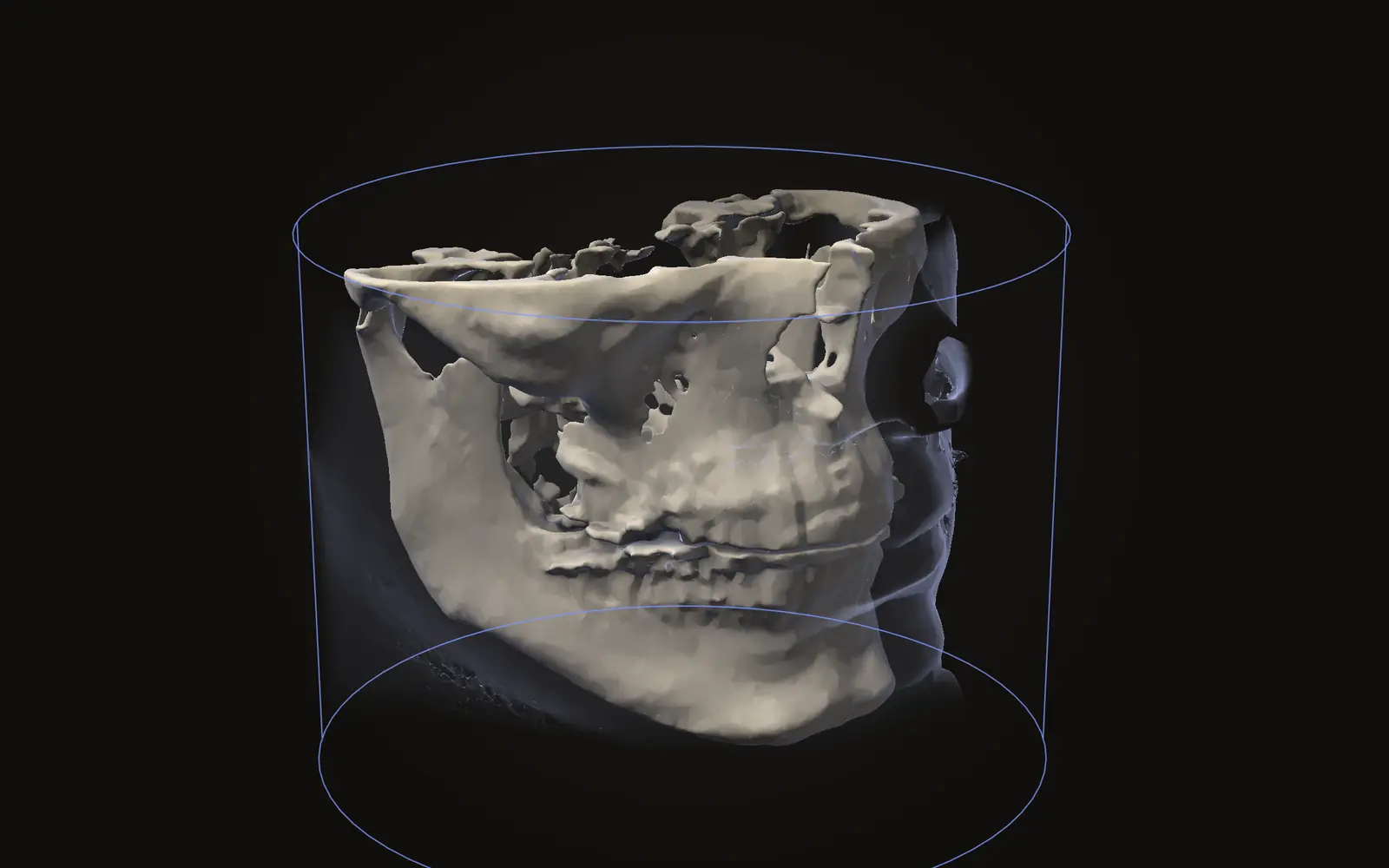
A CBCT scan covers only the region the scanner was set to capture. What field of view means, how it relates to dose, and what lies outside it.
Understanding your scan
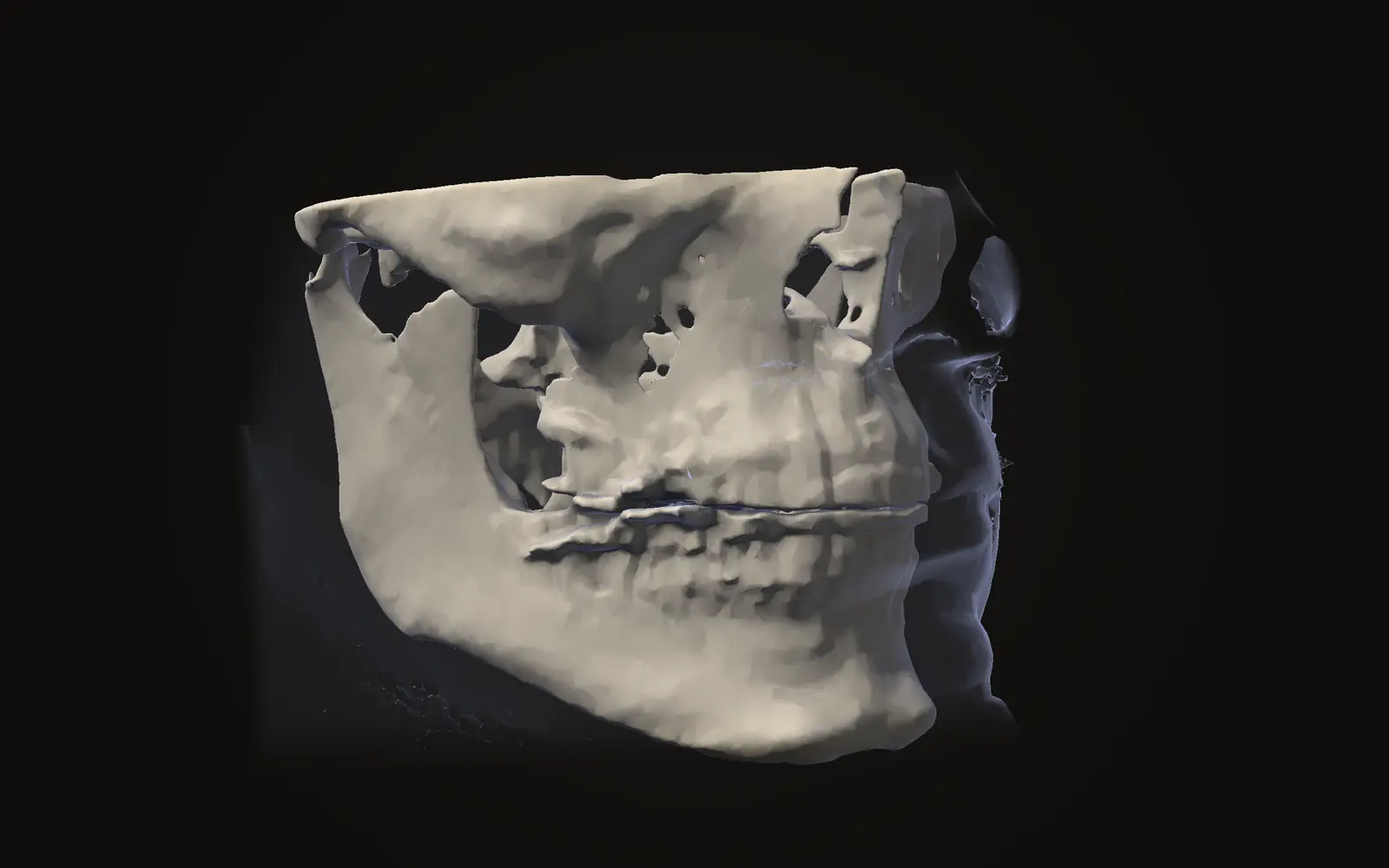
Why a CBCT scan can show streaks next to metal and blur from movement, how often scans are repeated for motion (2 to 5%), and what it means for measuring.
Understanding your scan
How sharp a CBCT image really is, why its grey values are not bone density, what metal does to the picture, and what that means for measurements.