Opening and viewing scans
Why your scan looks too bright: window and level
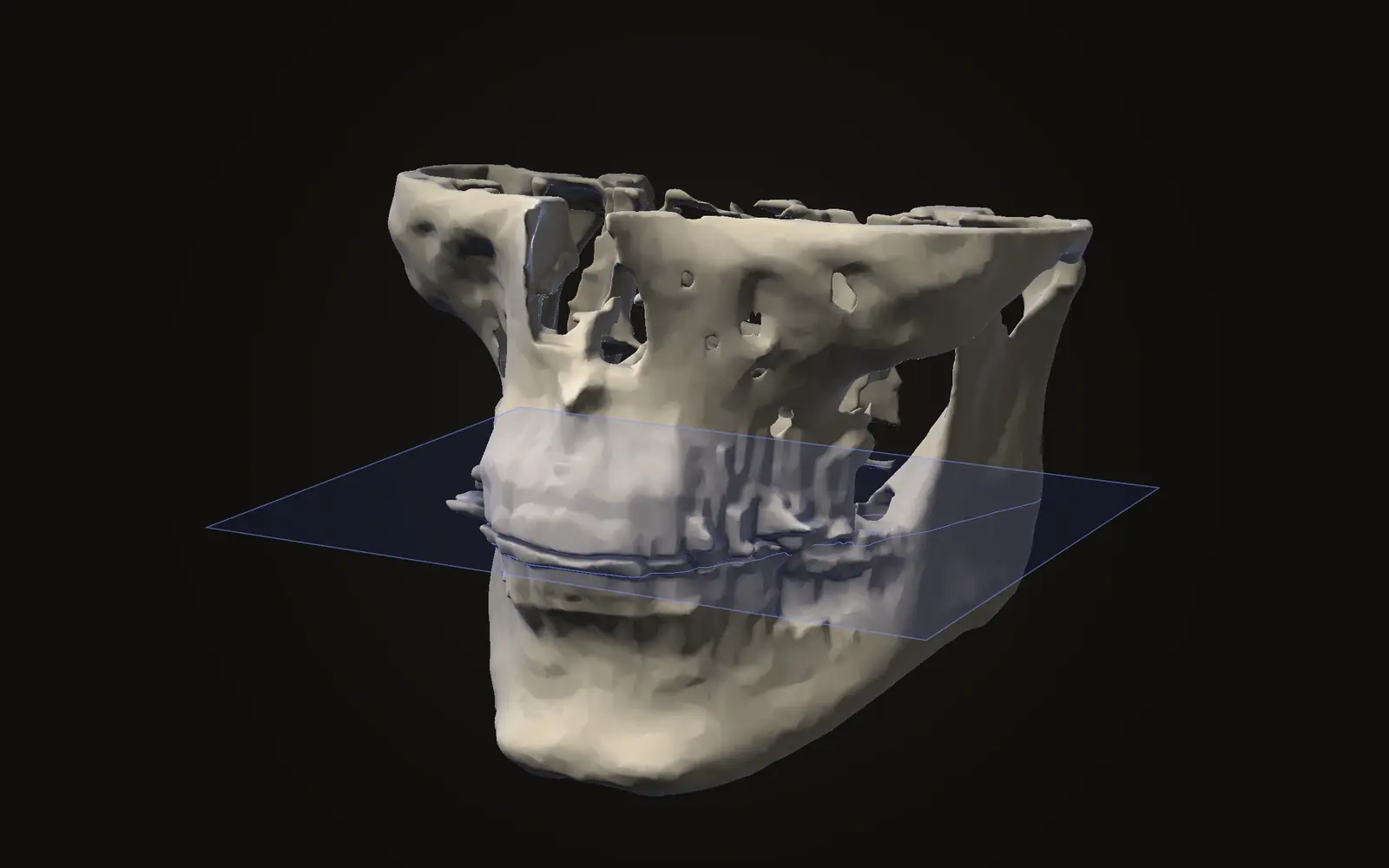
A scan holds thousands of grey shades and a screen shows far fewer. Window and level pick which range you see, so one slice can look washed out or dark.
What jaw scans show, what jaw surgery changes, and how to read both. Every claim links to its source.
Opening and viewing scans
A scan holds thousands of grey shades and a screen shows far fewer. Window and level pick which range you see, so one slice can look washed out or dark.
Jaw surgery and orthodontics
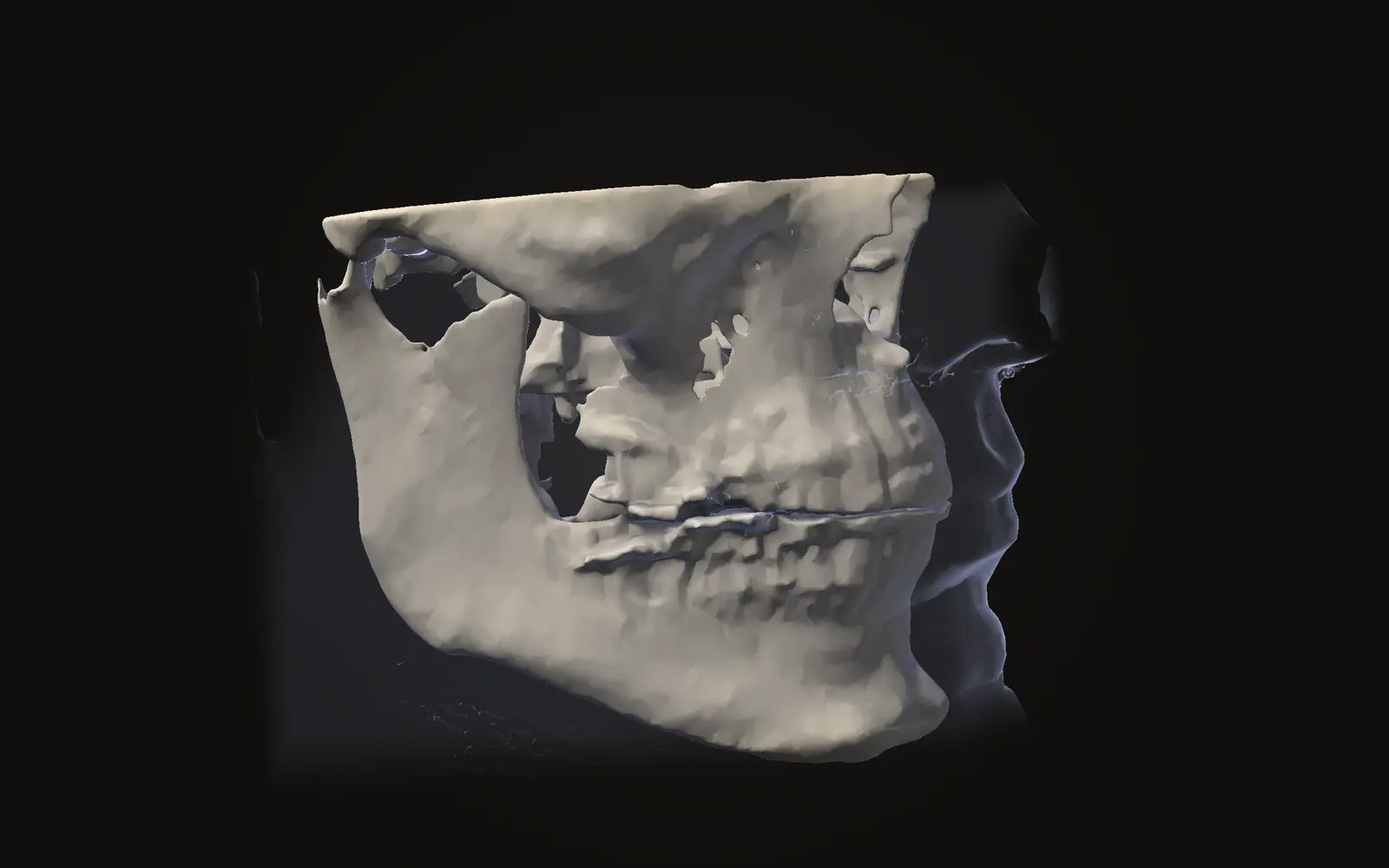
Orthognathic surgery moves the upper jaw, lower jaw or chin, alongside braces. What reviews report on who it is for, how stable it is and quality of life.
Opening and viewing scans
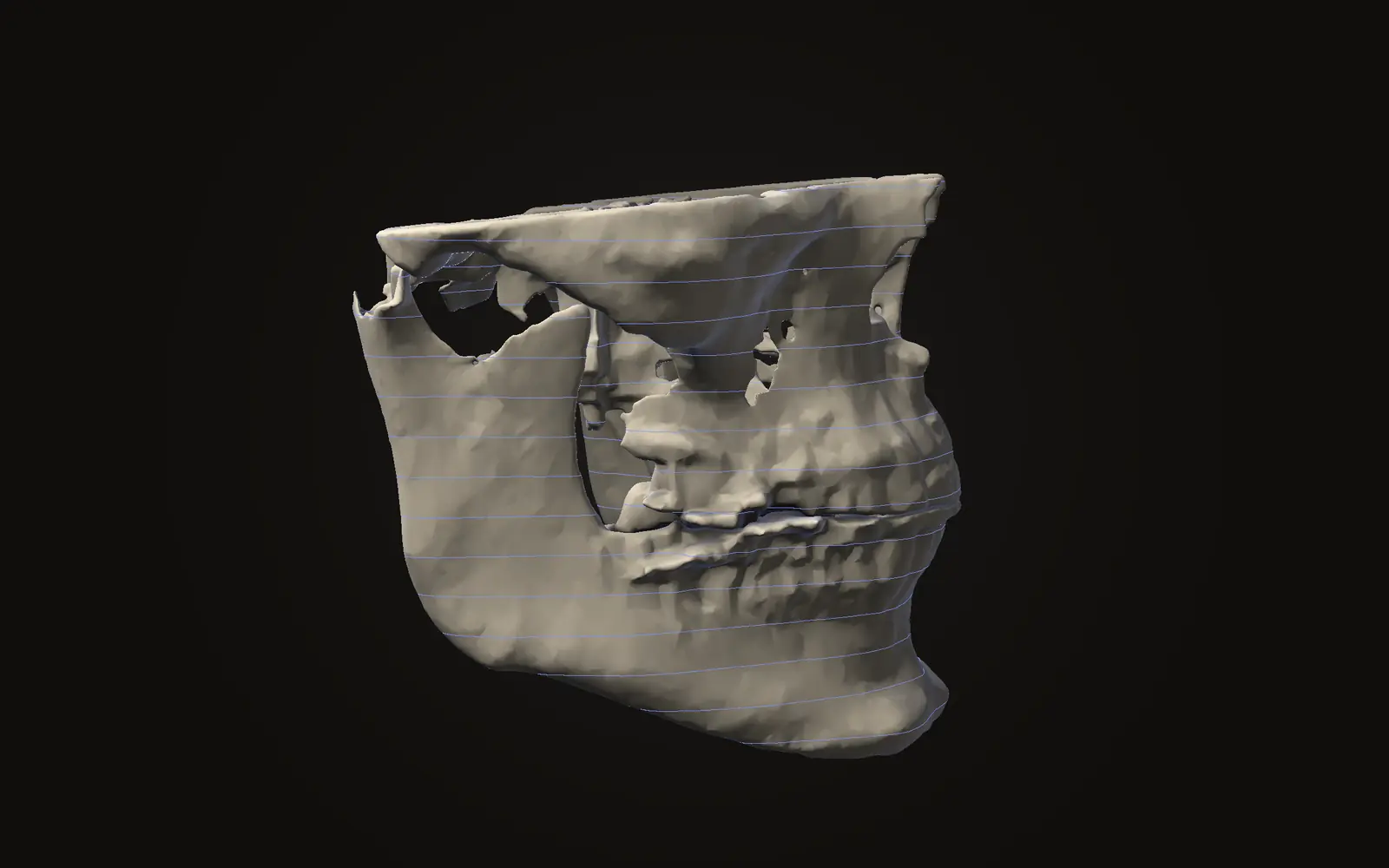
A DICOM file holds a header of labelled attributes and then the pixel data. The header carries the voxel size, and it can also carry a name.
Measurements explained
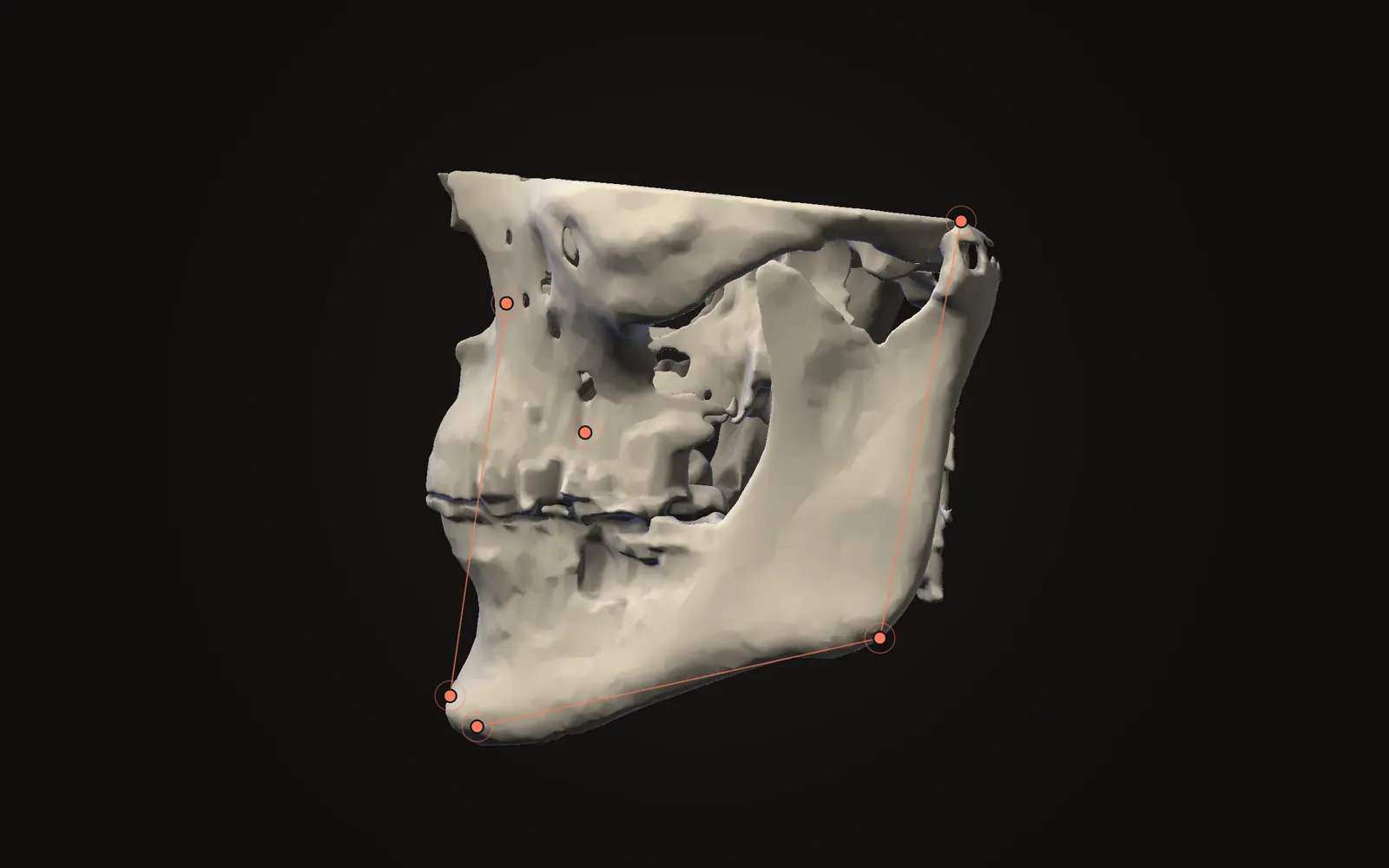
A cephalometric analysis turns named points on a head image into angles and distances. What SNA, SNB, ANB and the Wits appraisal measure.
Airway and sinuses
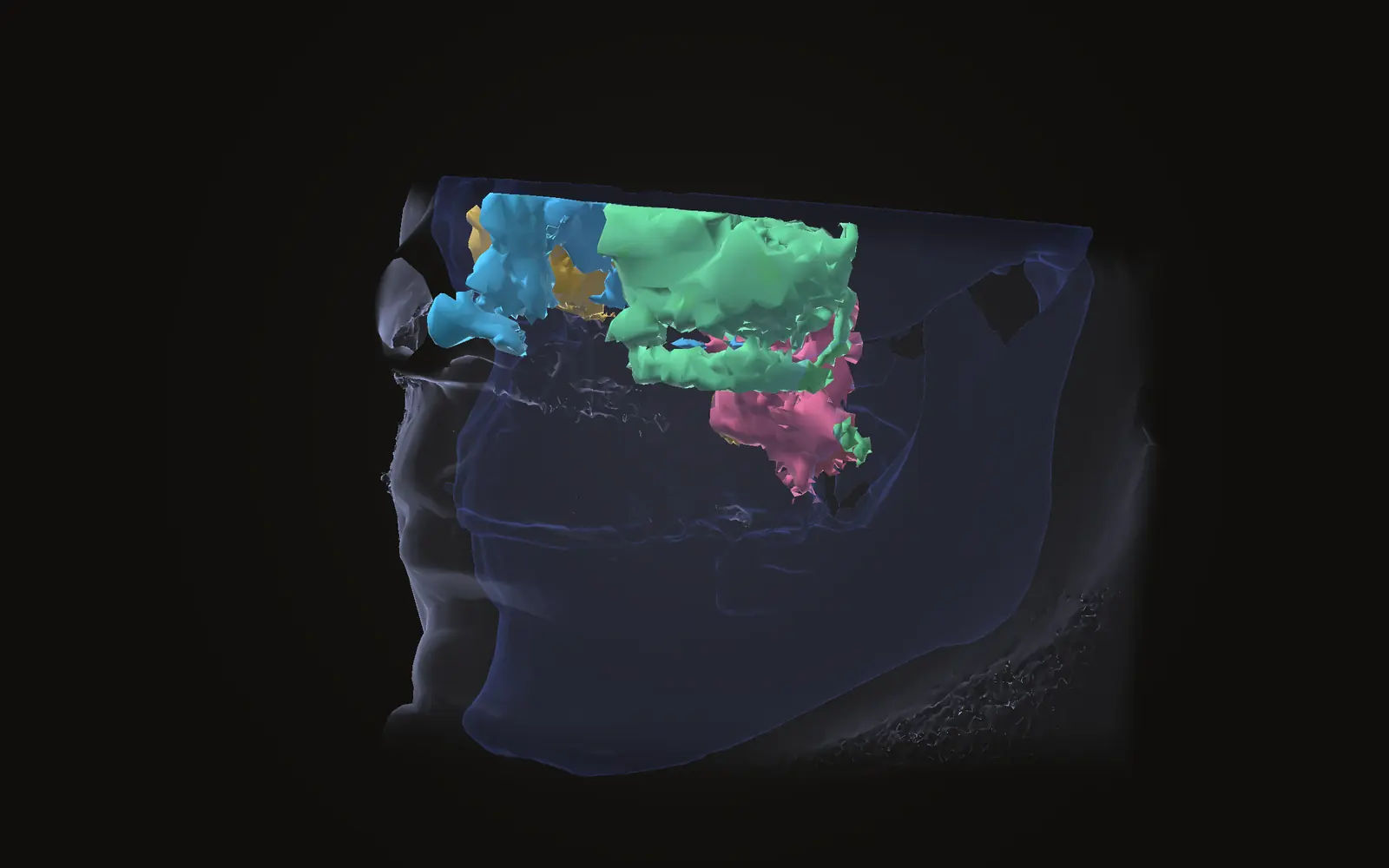
Upper airway volume on CBCT varies with the person, the group studied and how the airway is outlined, so a published average is not a cut-off.
Using Jaw Viewer
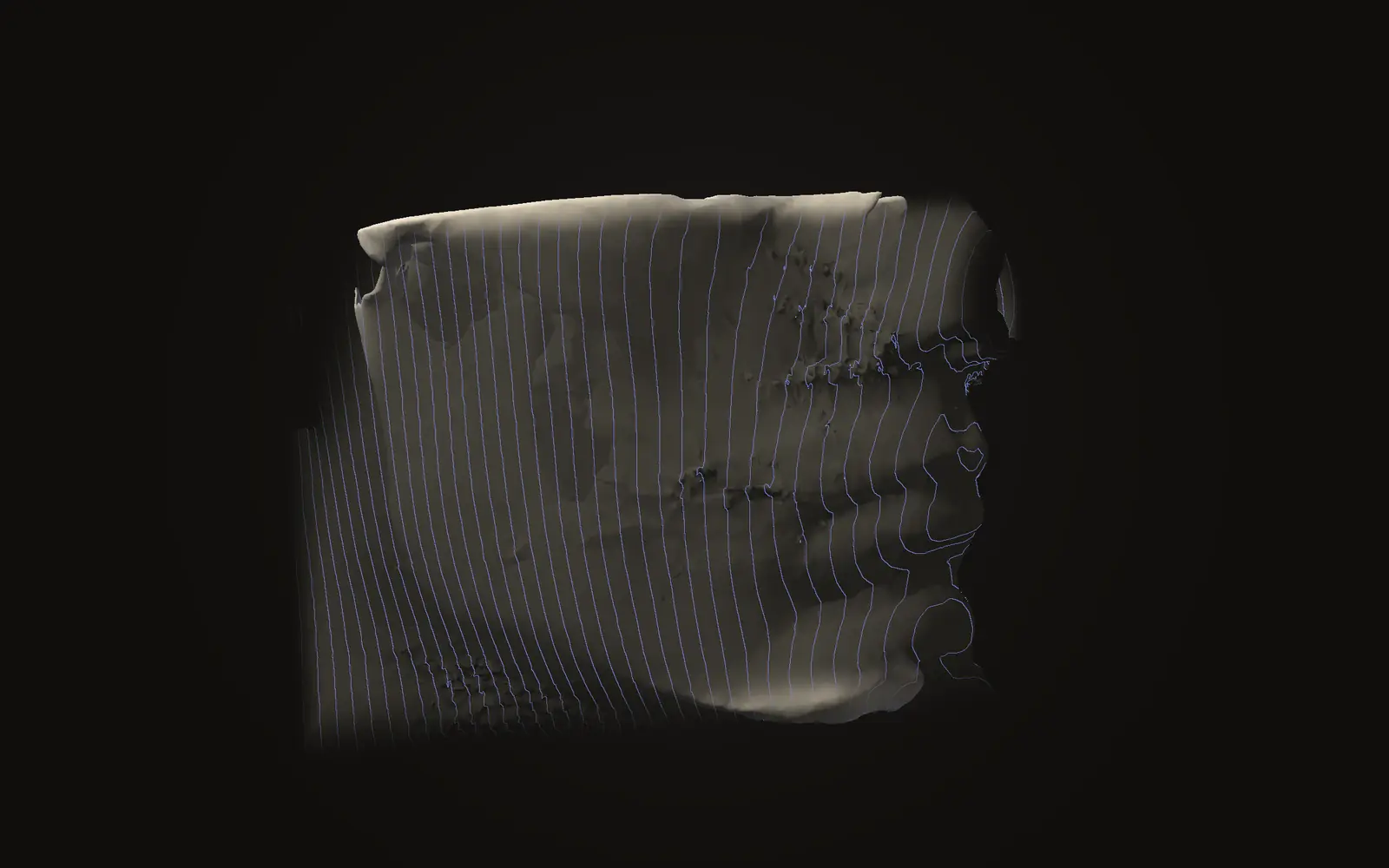
What to send for a second opinion on a CBCT scan: the whole DICOM folder, what a saved project adds, and why names and the face stay in the files.
Jaw surgery and orthodontics
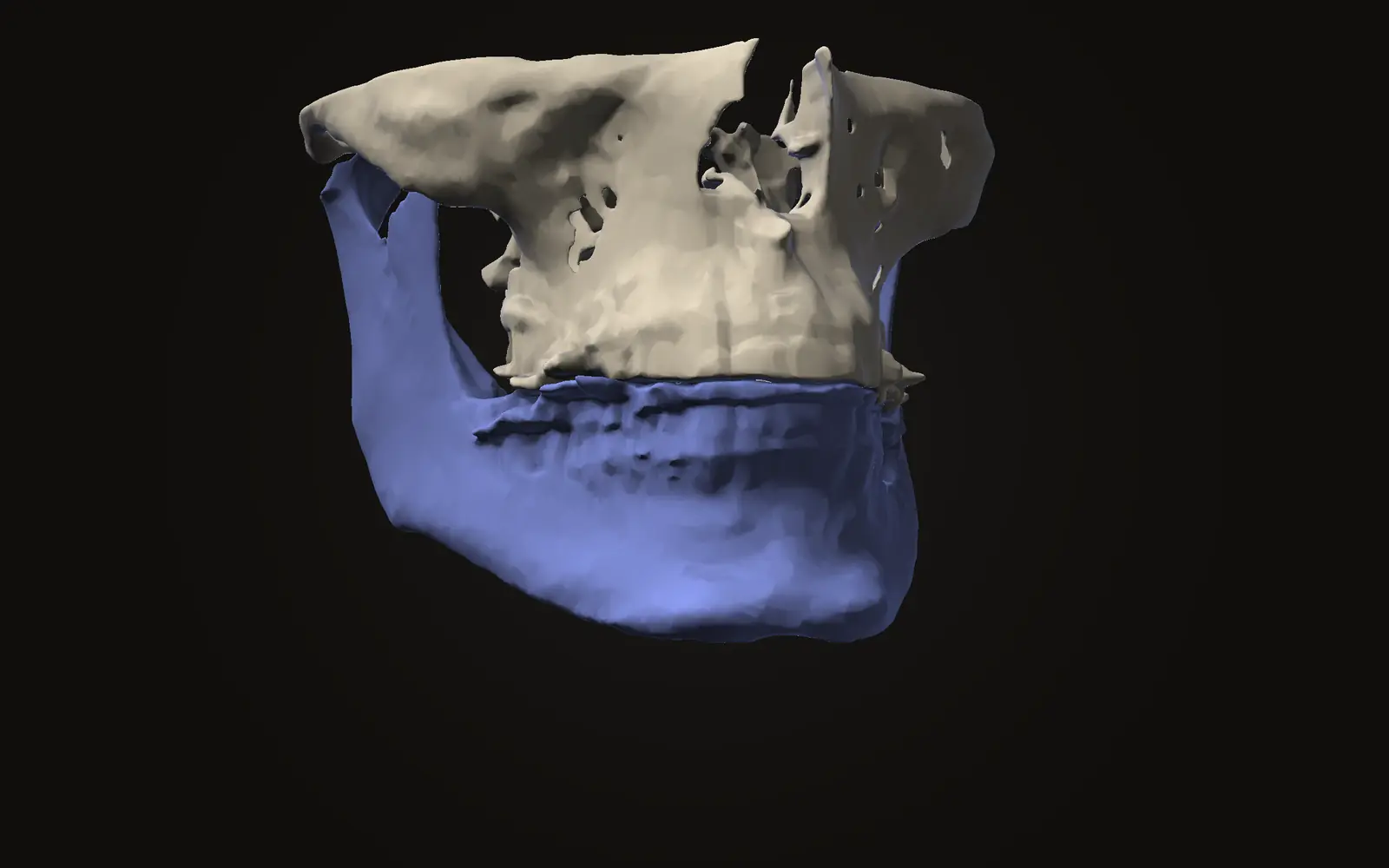
Relapse is movement back after a jaw operation. Reviews report changes over 2 mm in many patients at 1 to 5 years, and stability that varies by movement.
Opening and viewing scans
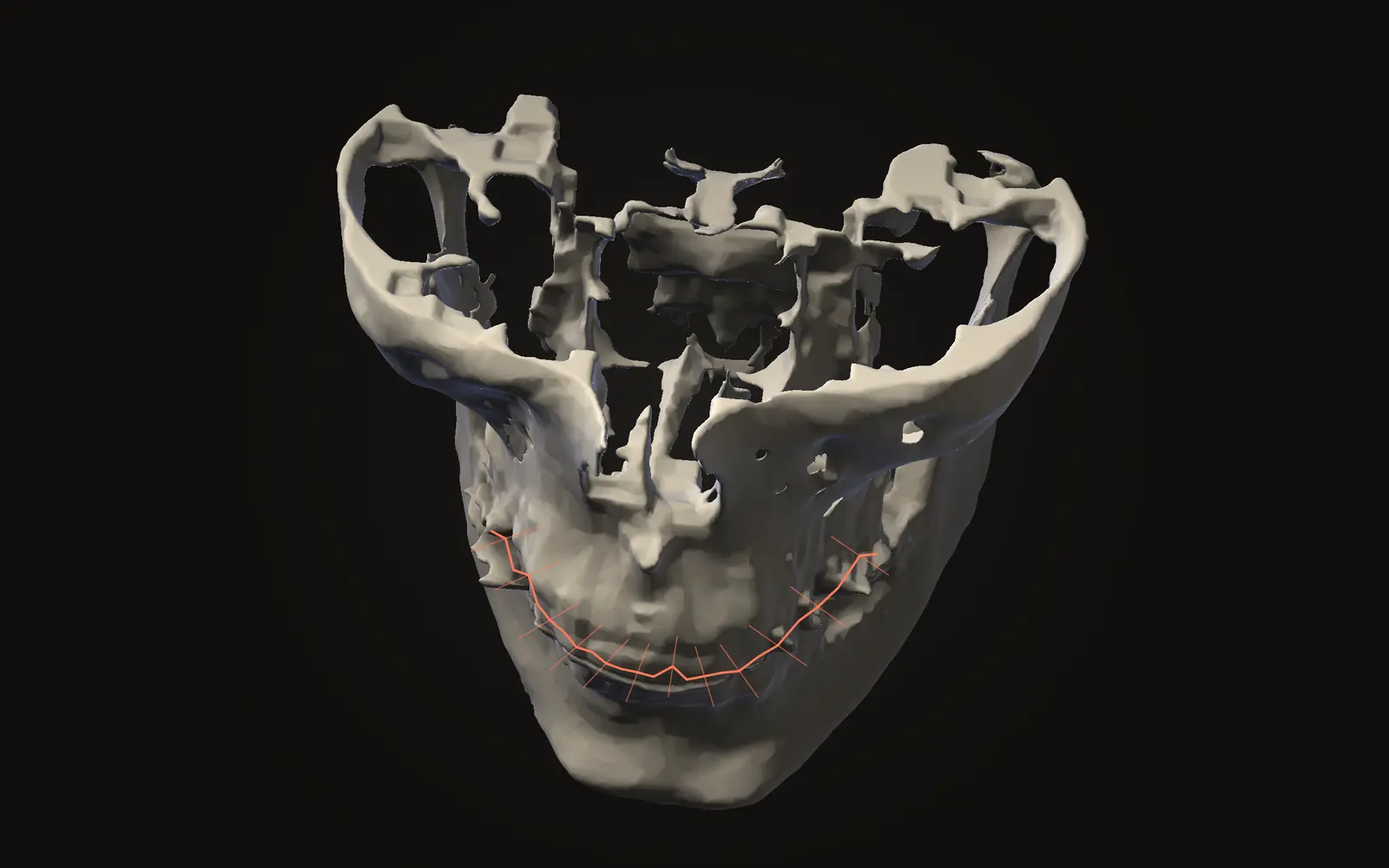
A panoramic image made from a CBCT is a curved slice computed from the scan, not a second X-ray. Four studies show how its measurements compare.
Jaw surgery and orthodontics
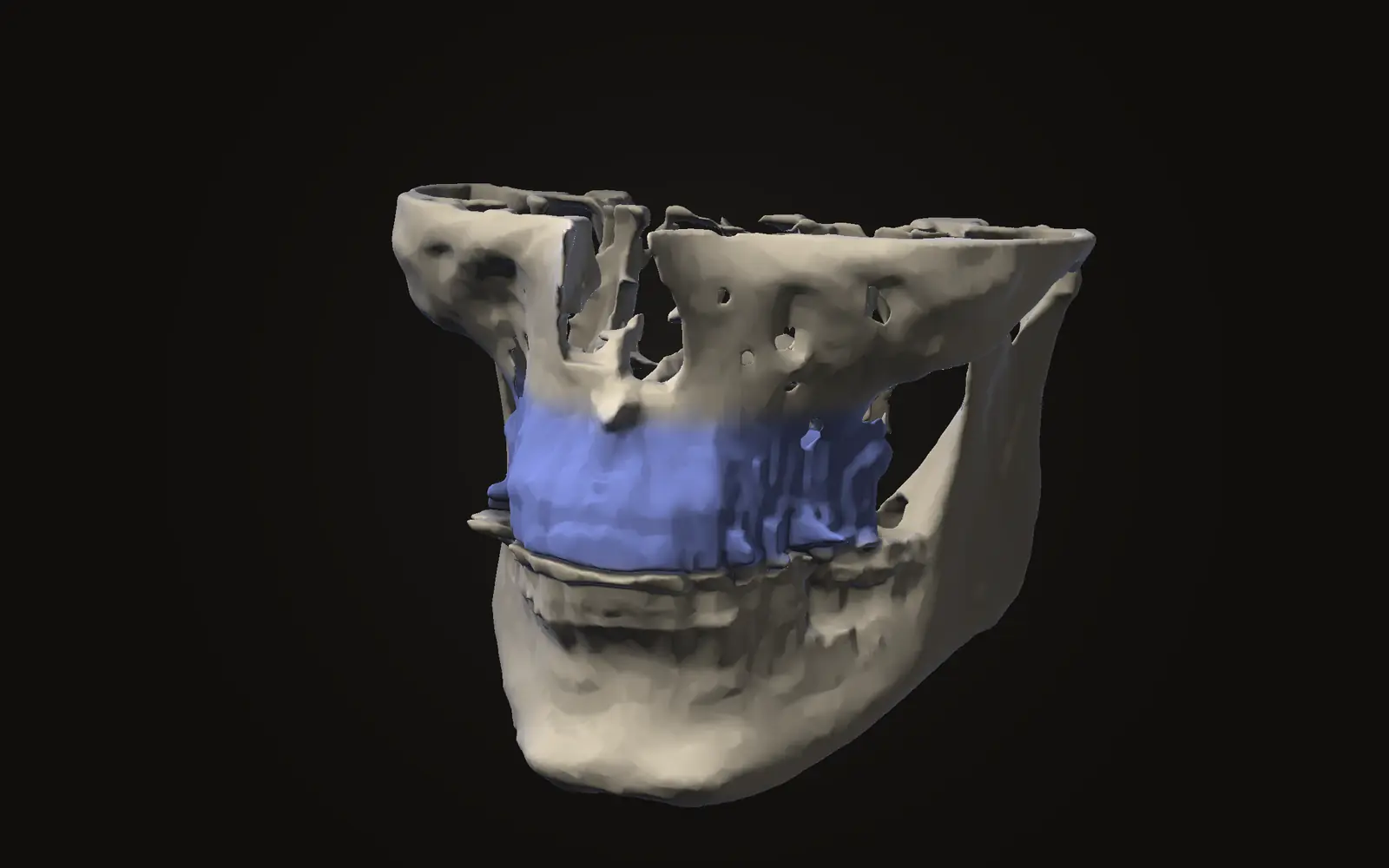
Studies report the base of the nose can widen by a few millimetres after upper jaw surgery, and that a cinch stitch limits the widening.
Measurements explained
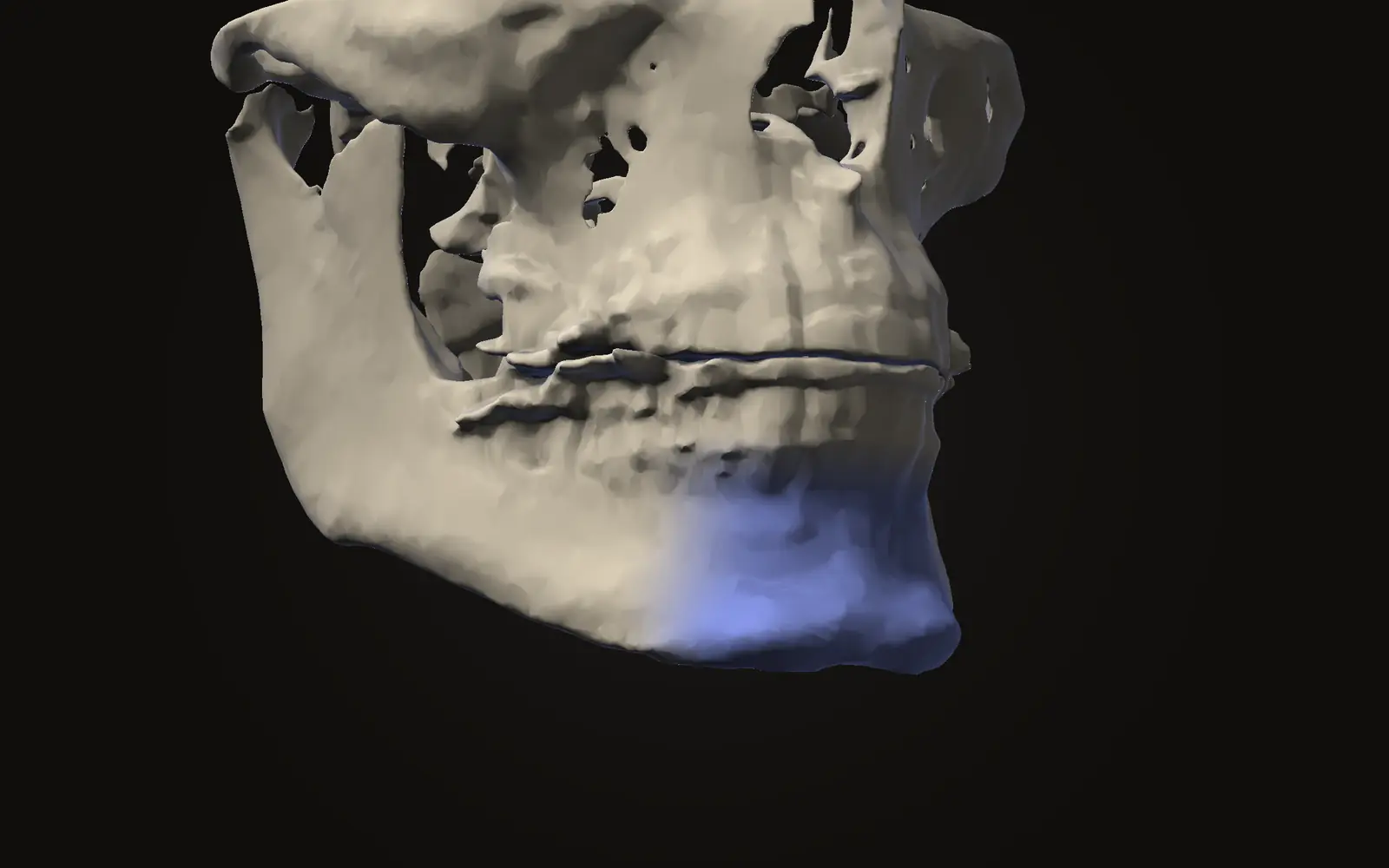
Where the mental foramen sits, how its shape and the anterior loop vary on CBCT scans, and why pooled review figures differ between studies.
Airway and sinuses
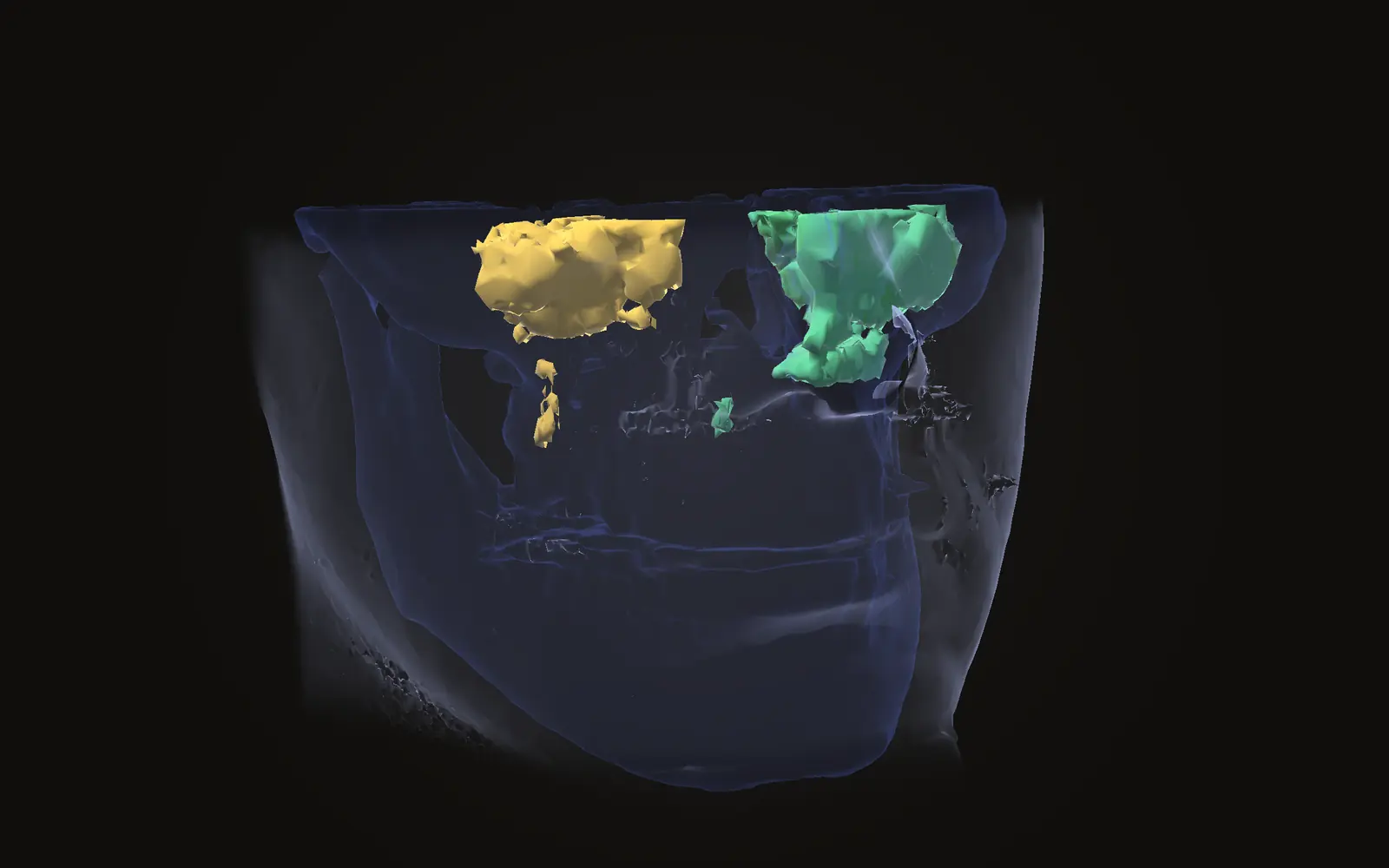
One CT study of 115 people reported adult maxillary sinus volumes from 4.56 to 35.21 cm³, and the sex and age findings differ between studies.
Jaw surgery and orthodontics
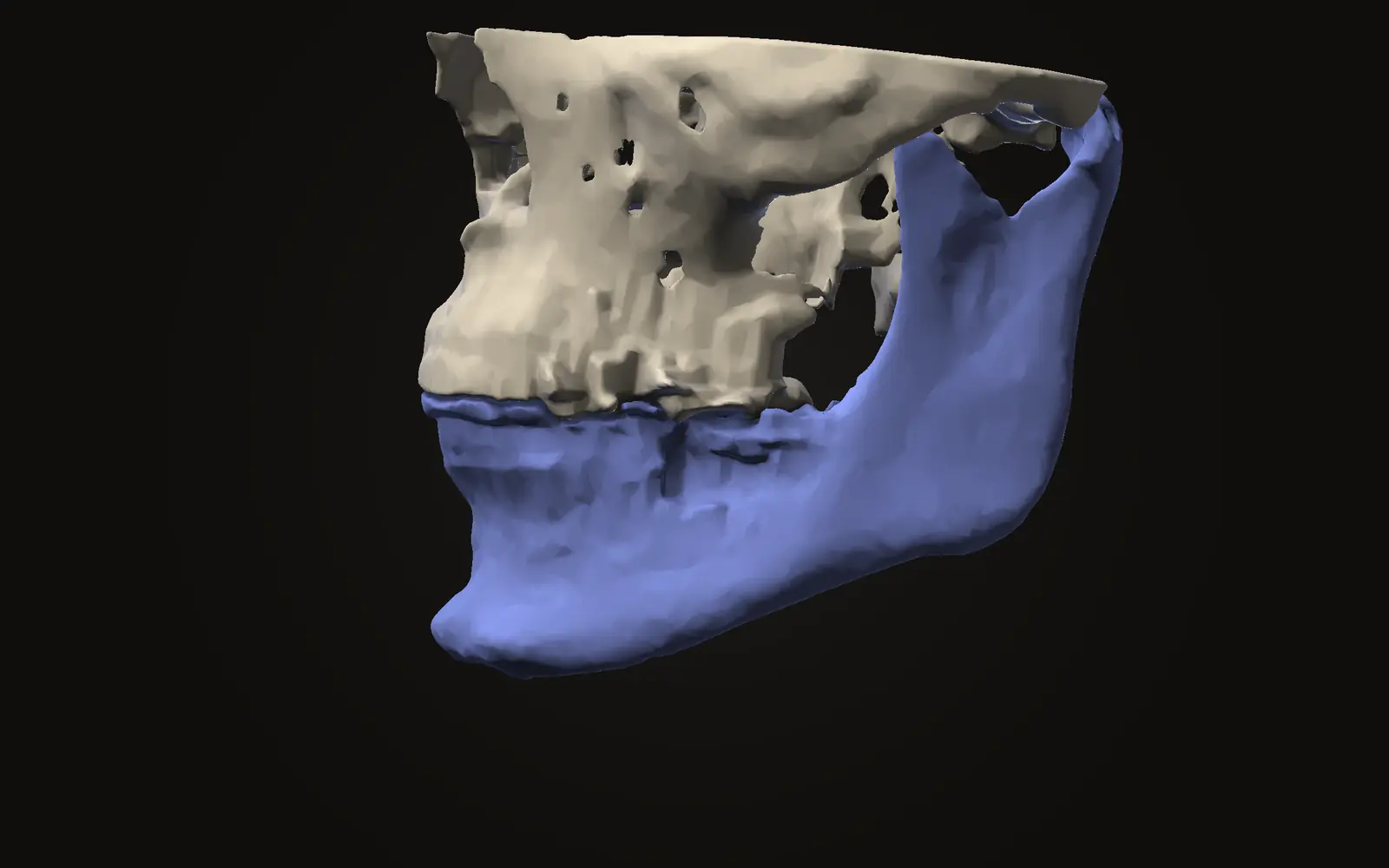
Reviews of lower jaw (BSSO) surgery report lip sensation changes from 12.8% to 33.9%. Why the figures differ, and what is known about risk factors.
Jaw surgery and orthodontics
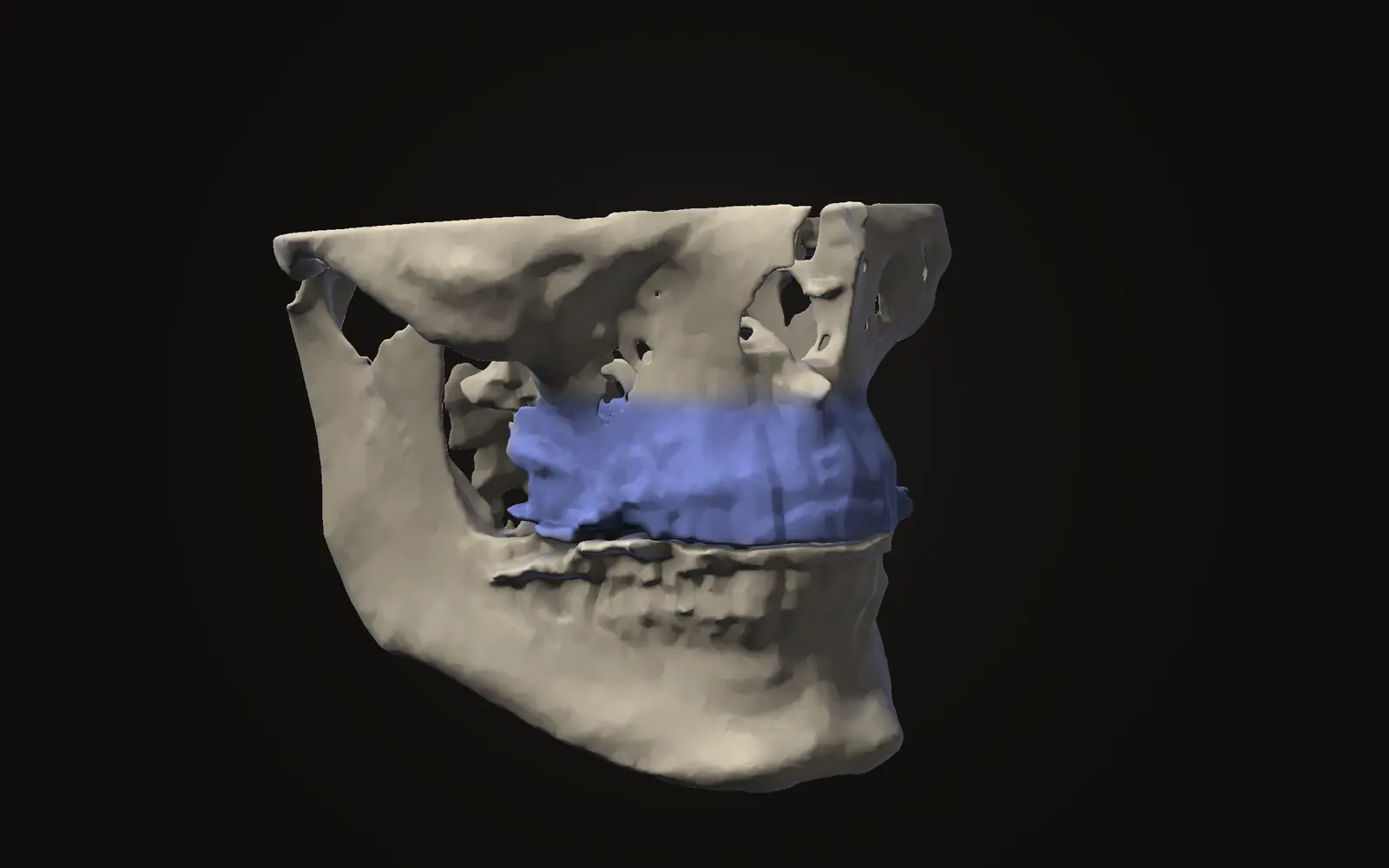
A Le Fort I osteotomy frees the upper jaw to move in all three planes. What reviews report on stability and complications, and how weak that evidence is.
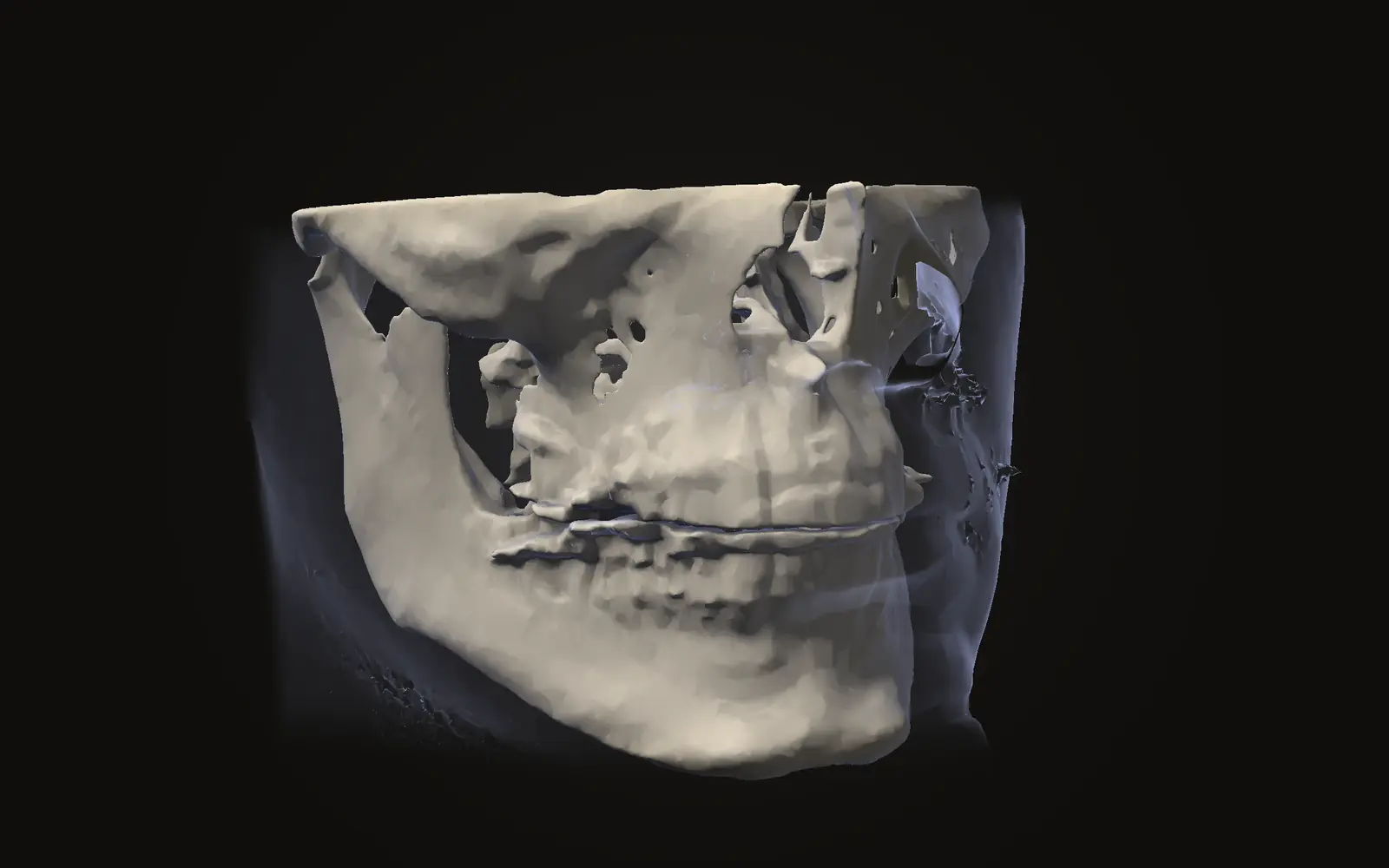
What CBCT and CT scans show, how much radiation they use, and what the measurements on them mean, with sources.
7 articles
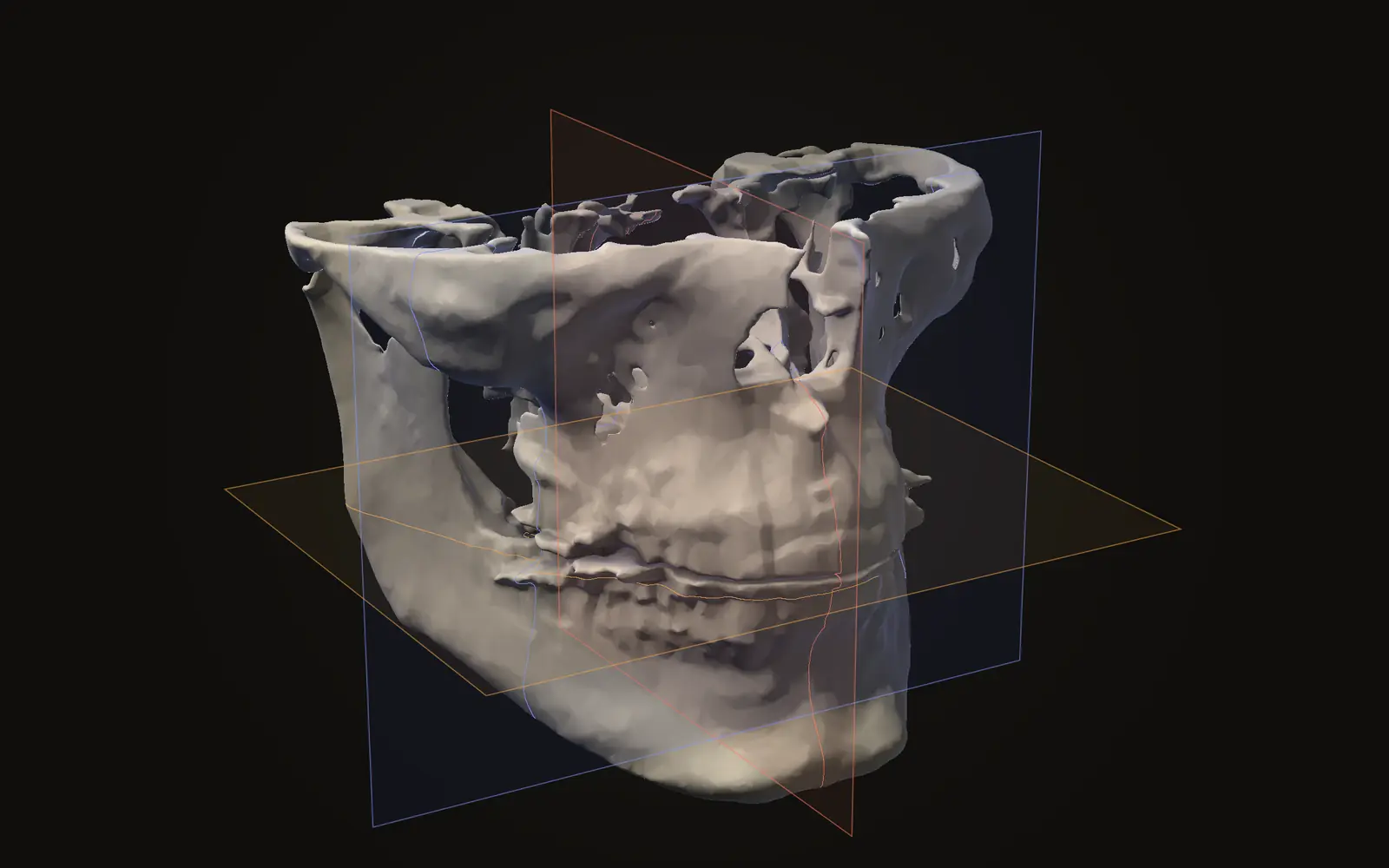
How to get a CT or CBCT scan off a disc or download, open it on your own computer, and understand the views you see.
5 articles
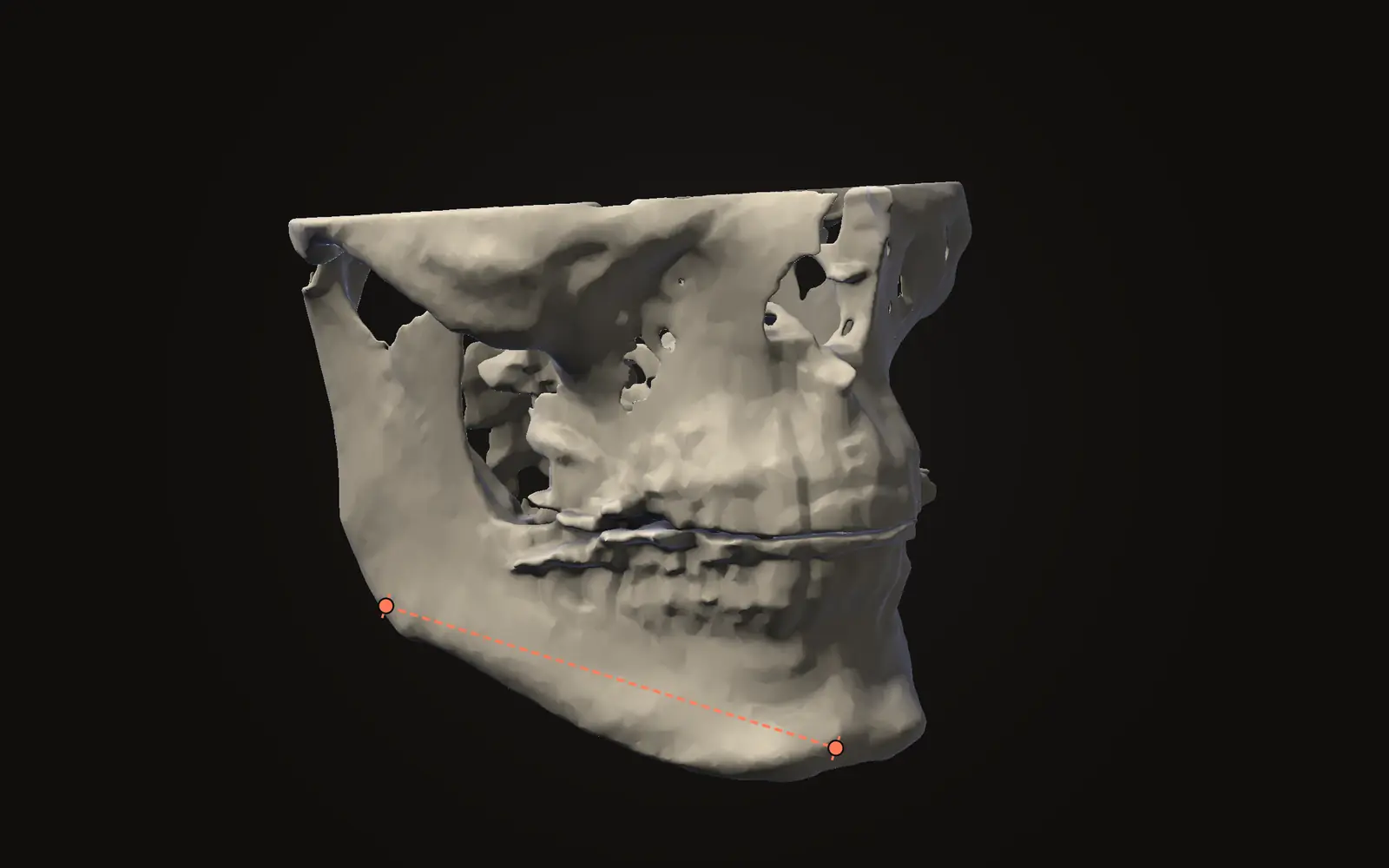
What a measurement on a CBCT or CT scan means, how precise it can be, and why two careful people get slightly different numbers.
8 articles
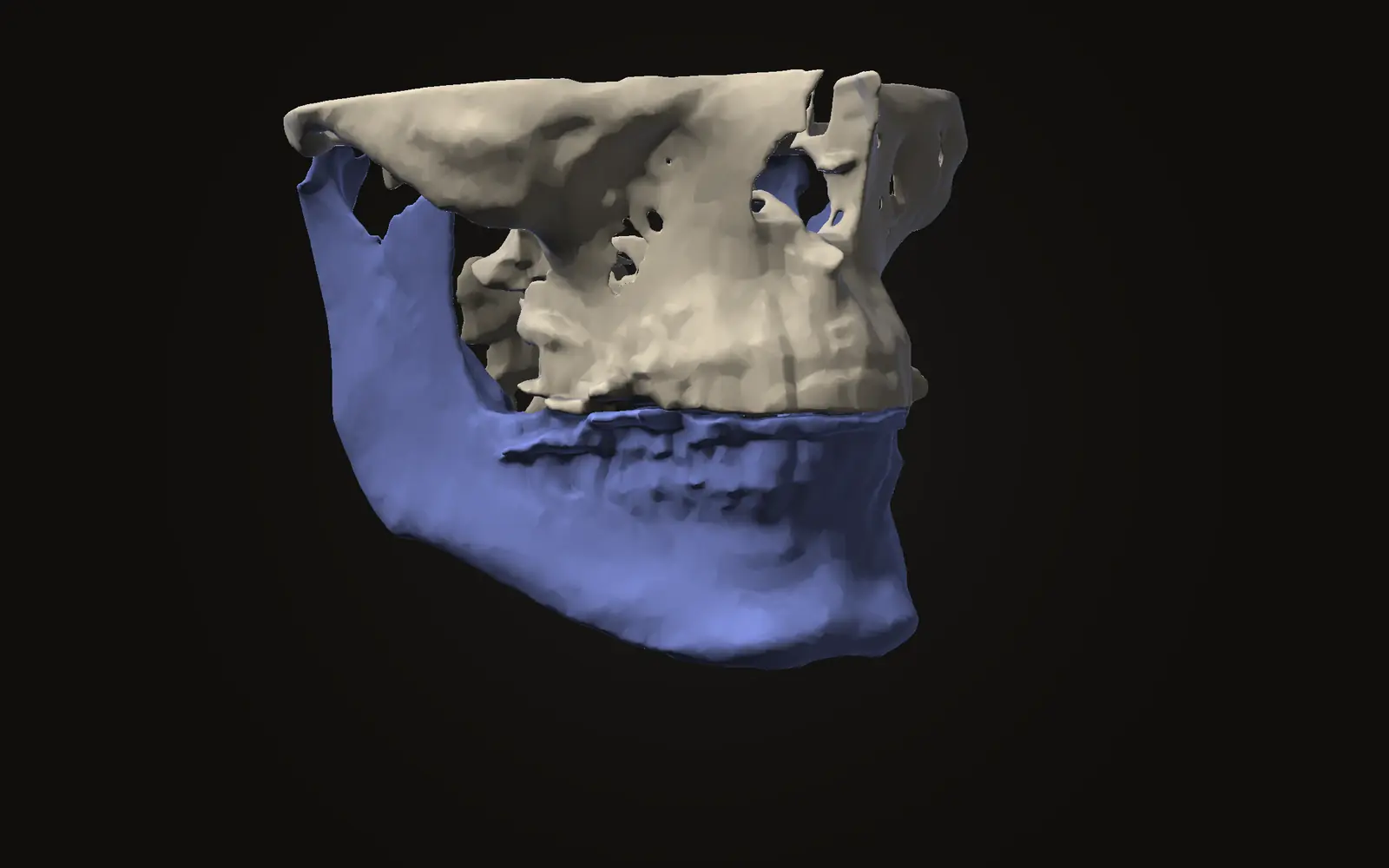
The operations on the upper and lower jaw, what moves, and what the research says about how the face changes.
10 articles
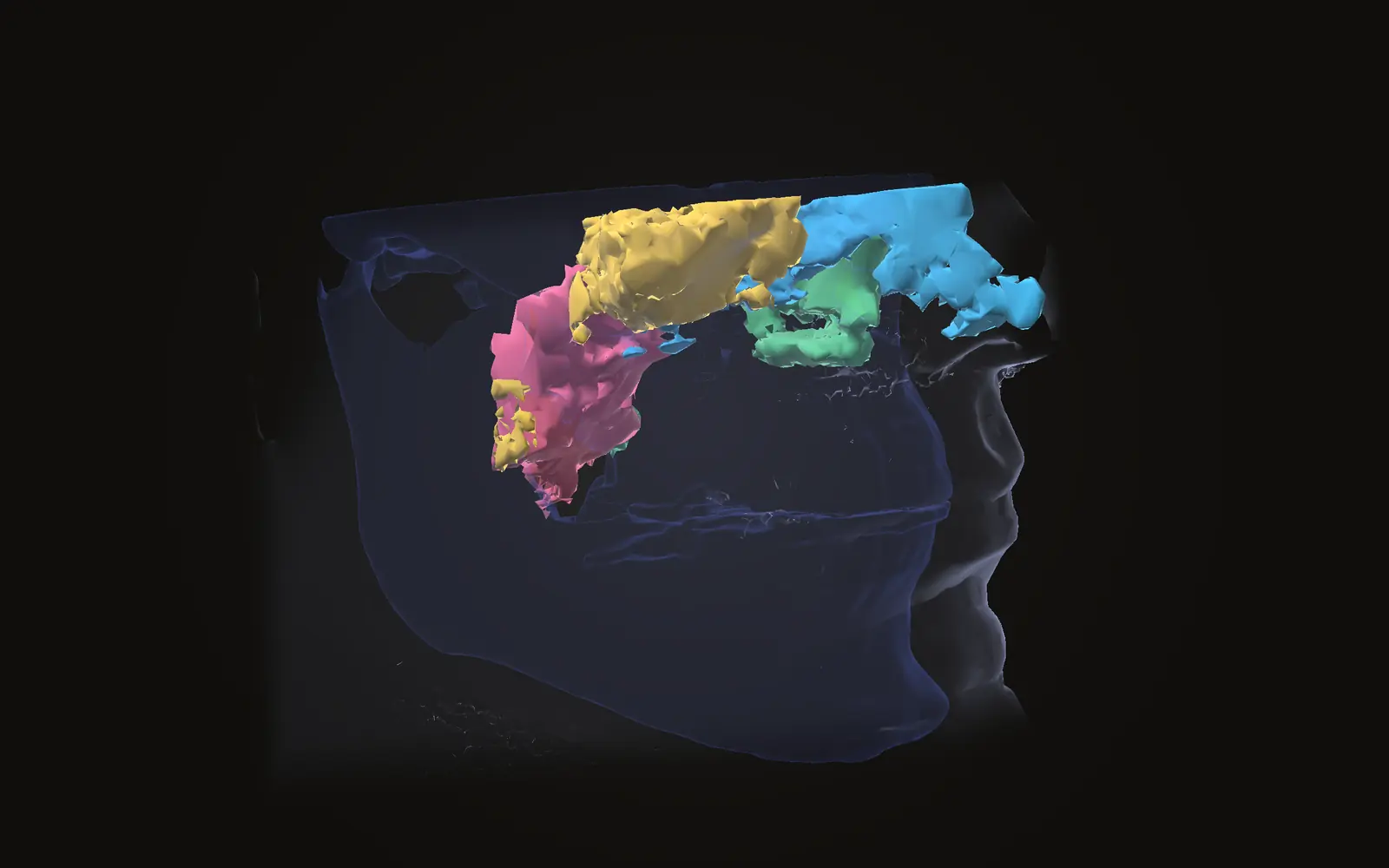
The air spaces in a jaw scan: how their volume is measured, how much they vary between people, and what the published numbers do and do not say.
3 articles
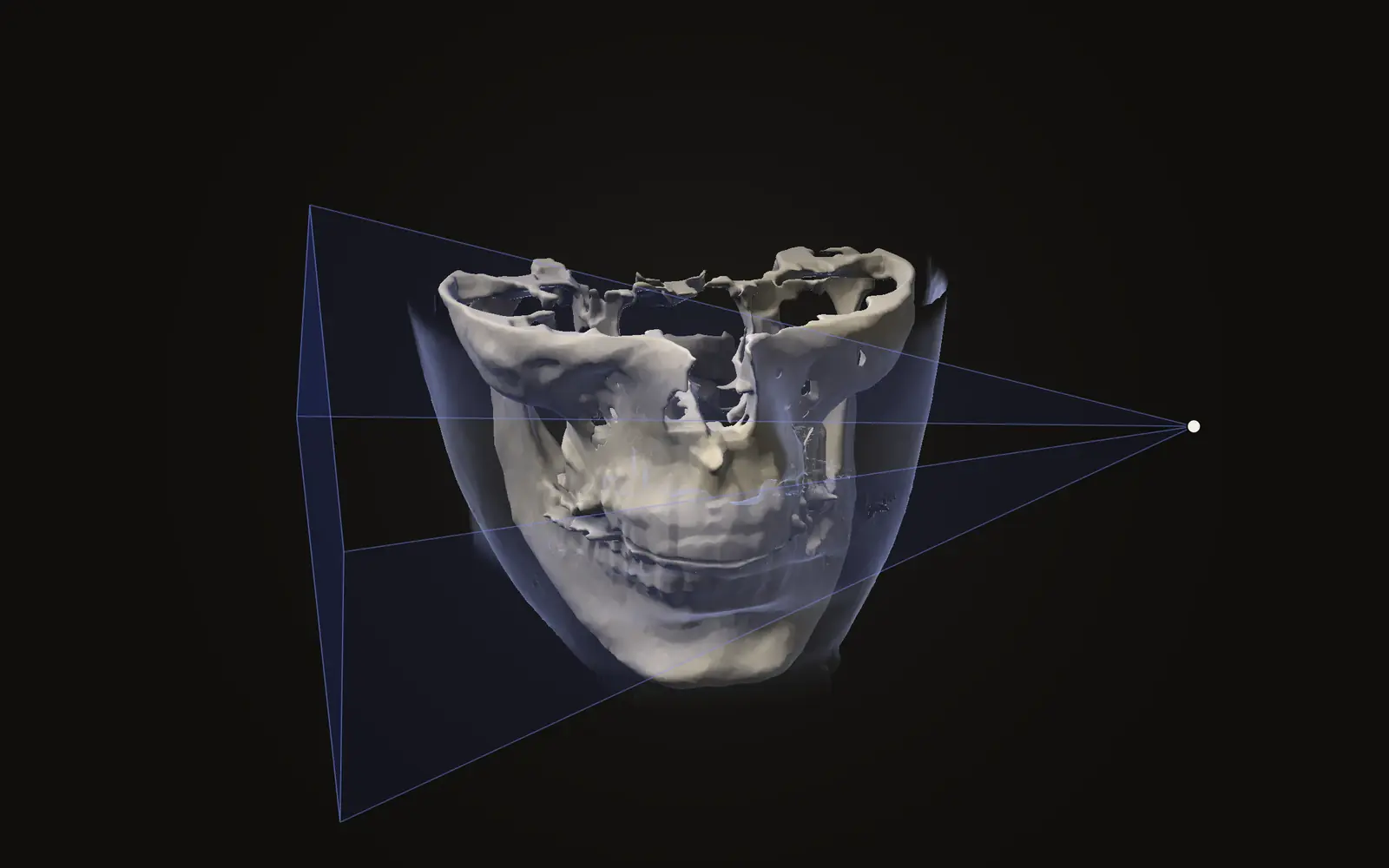
Radiation dose in dental and jaw imaging, with measured numbers and guidance on when a scan is justified. Reopening a scan adds no dose.
2 articles
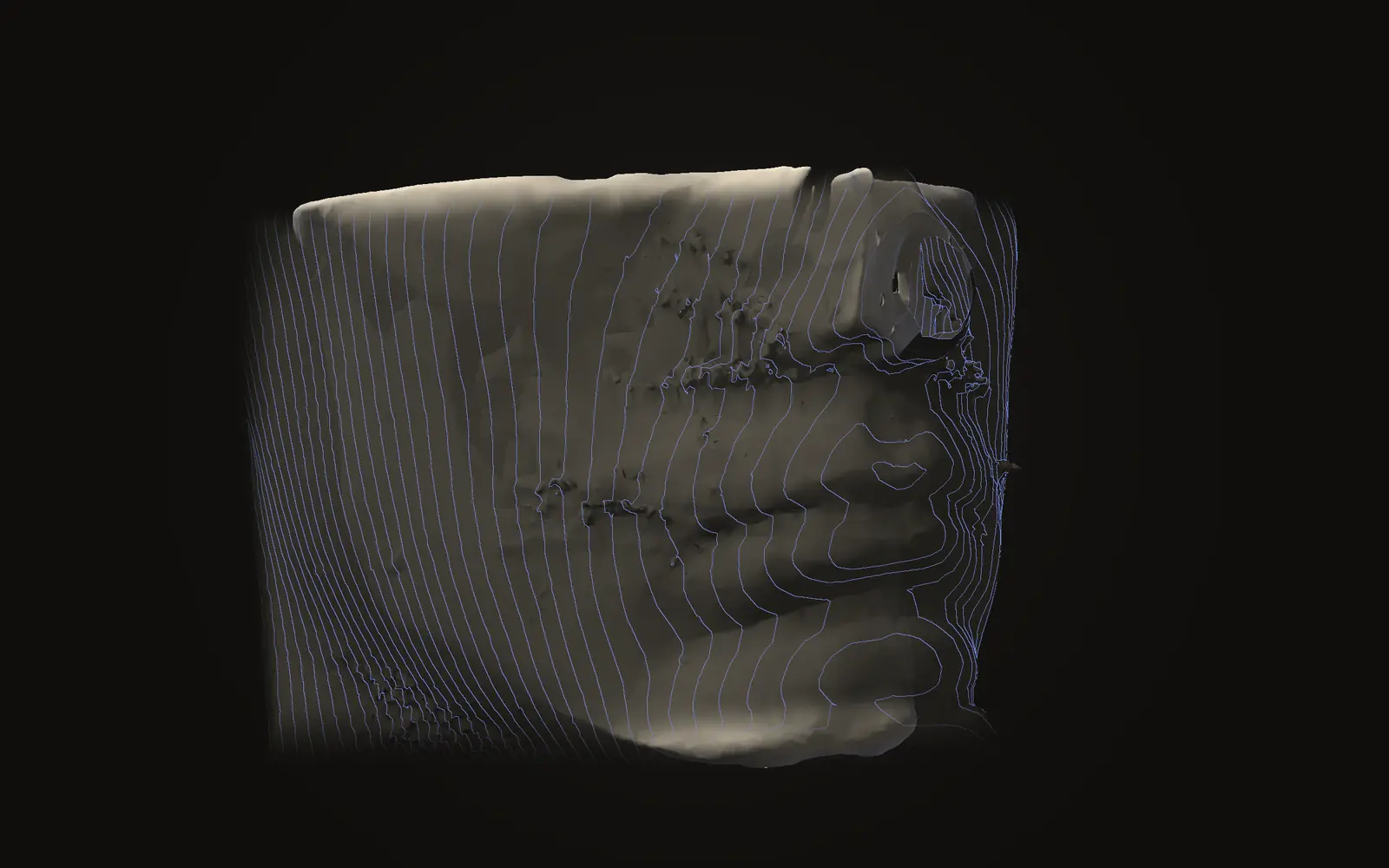
Guides to the viewer itself: measuring, comparing two dates, saving a project, and how your files stay on your computer.
3 articles
Short, sourced reference pages for the terms, units and landmarks you meet in a jaw scan report.
1 article
Articles are written from peer-reviewed papers and guidelines, and checked again at least once a year. Nothing here is medical advice.