Measurements explained
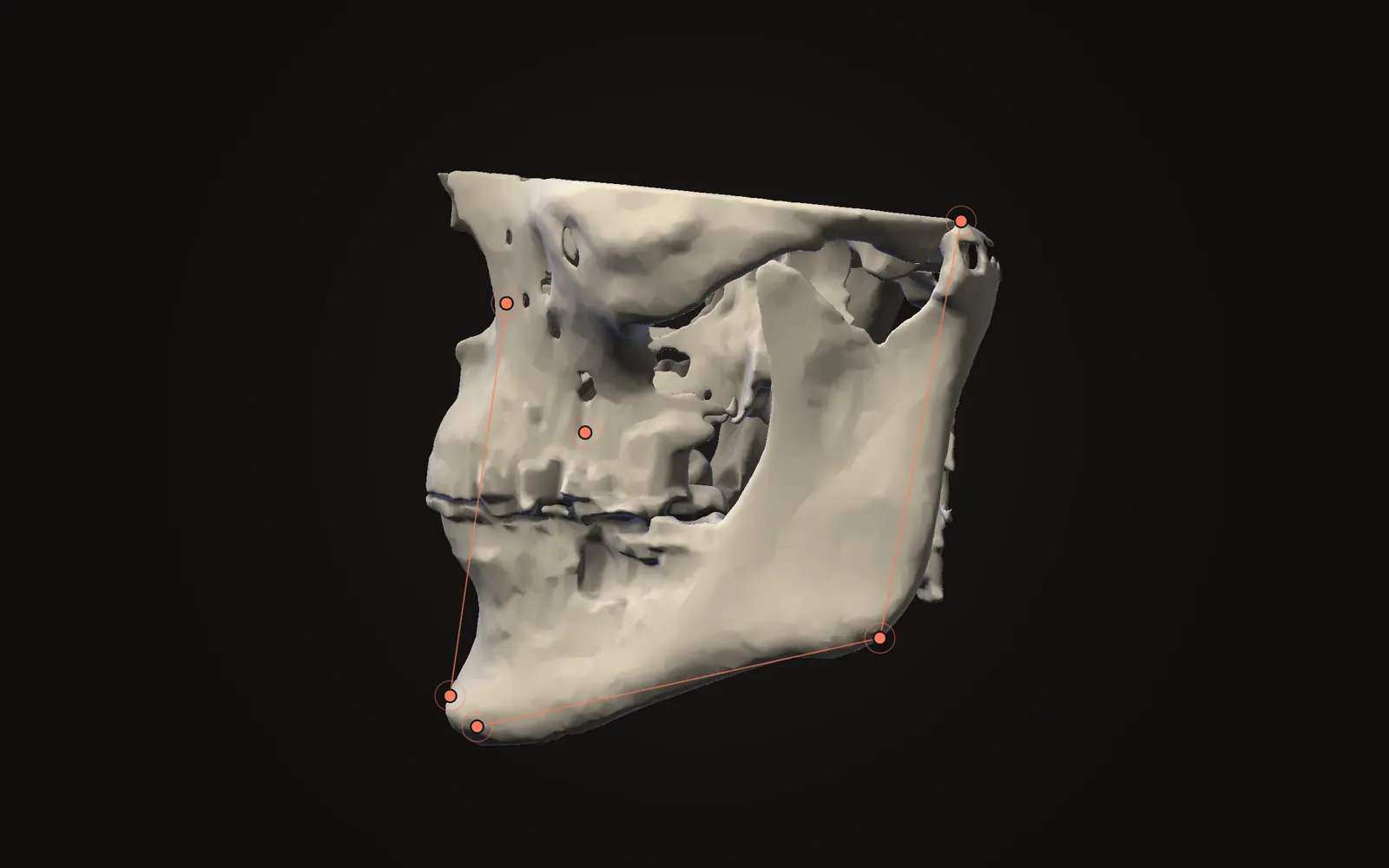
What is a cephalometric analysis? Steiner, Downs, Wits
A cephalometric analysis turns named points on a head image into angles and distances. What SNA, SNB, ANB and the Wits appraisal measure.
What a measurement on a CBCT or CT scan means, how precise it can be, and why two careful people get slightly different numbers.
A measurement on a scan can look exact. Its precision depends on voxel size, point placement and how the scan was made. Read about common measurements, from bone distances to cephalometric angles, and what research says about their limits.
Measurements explained
A cephalometric analysis turns named points on a head image into angles and distances. What SNA, SNB, ANB and the Wits appraisal measure.
Measurements explained
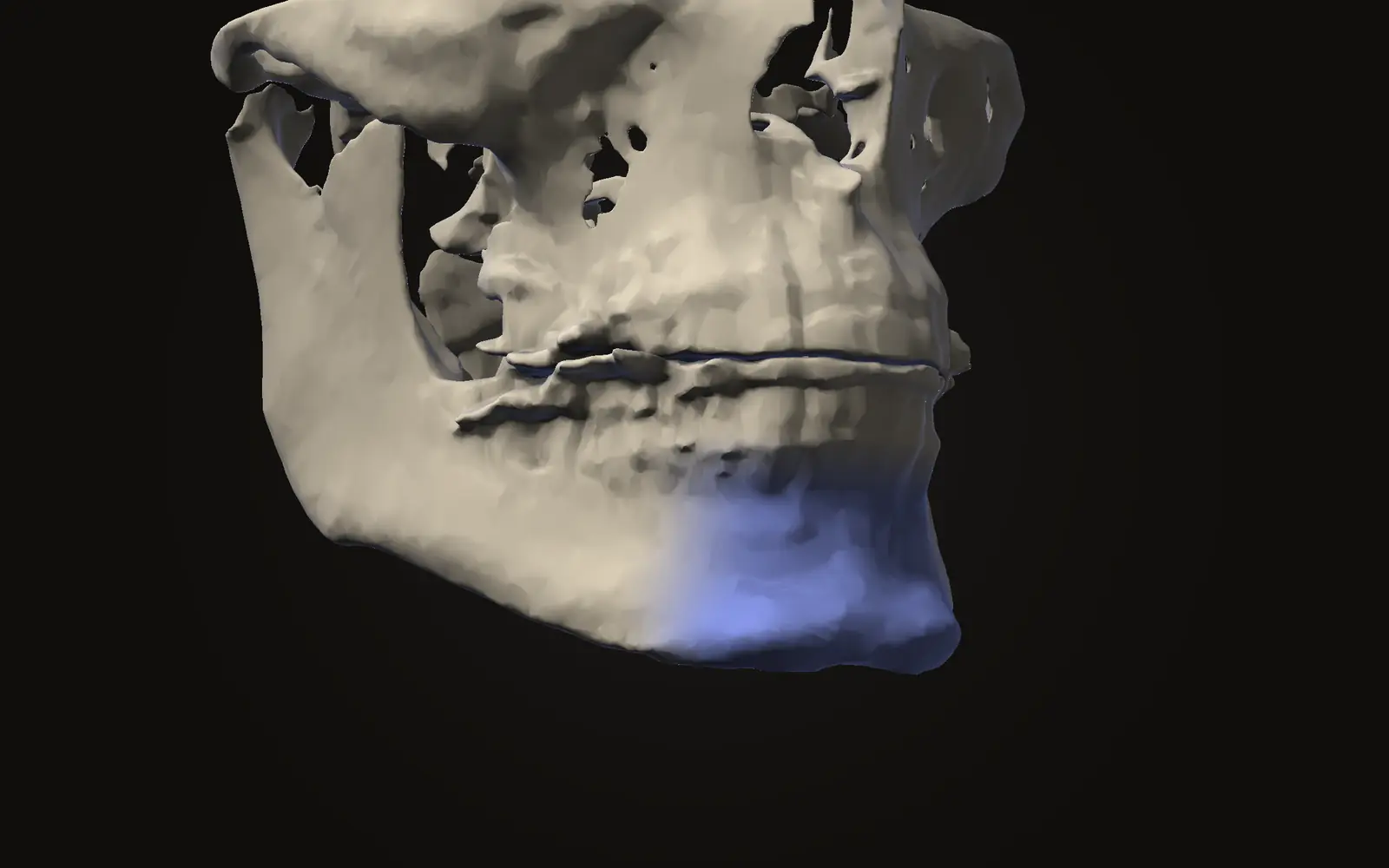
Where the mental foramen sits, how its shape and the anterior loop vary on CBCT scans, and why pooled review figures differ between studies.
Measurements explained
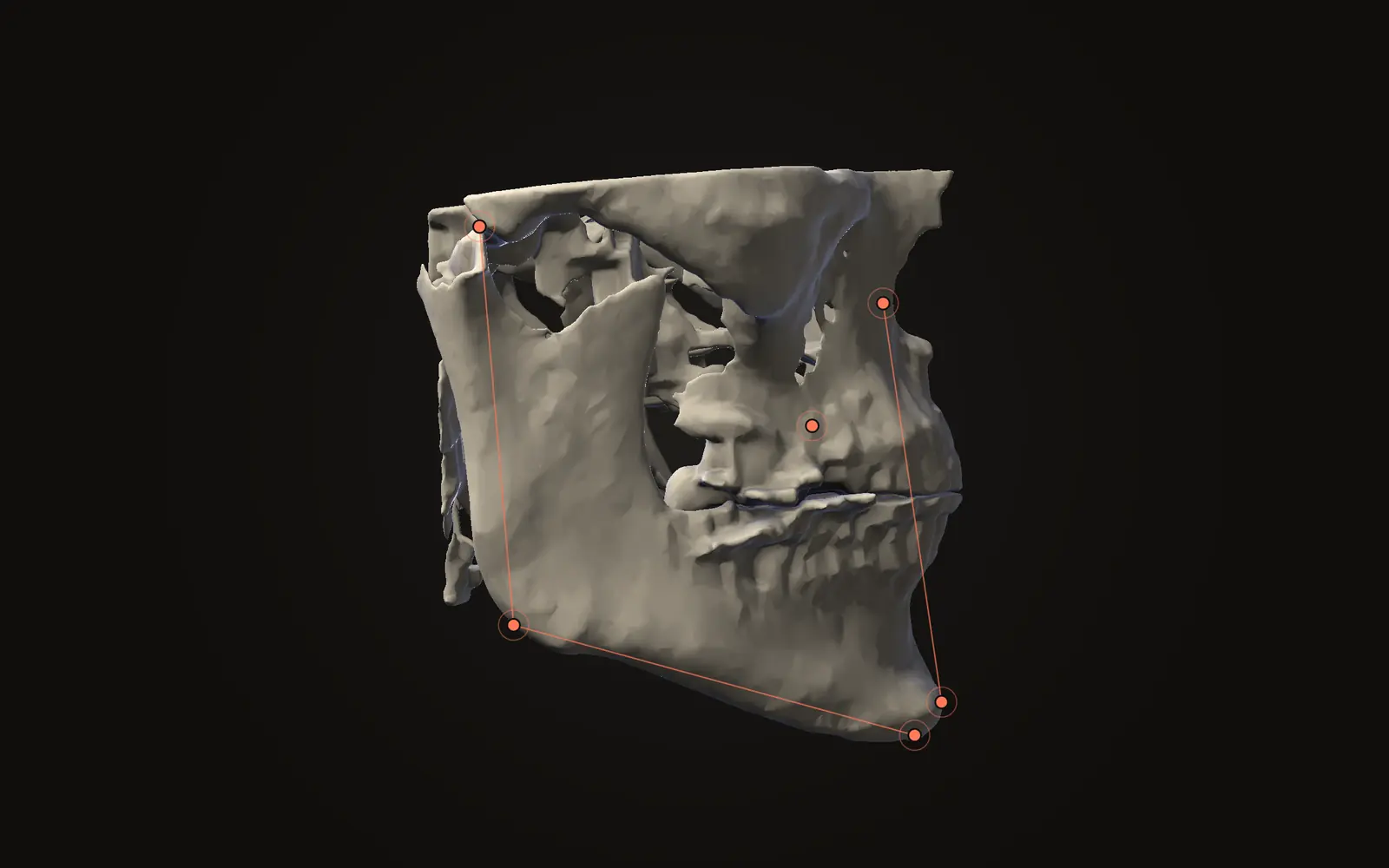
Cephalometric angles are built from hand-placed points that never land twice in the same spot. What reviews report about which landmarks hold steady.
Measurements explained
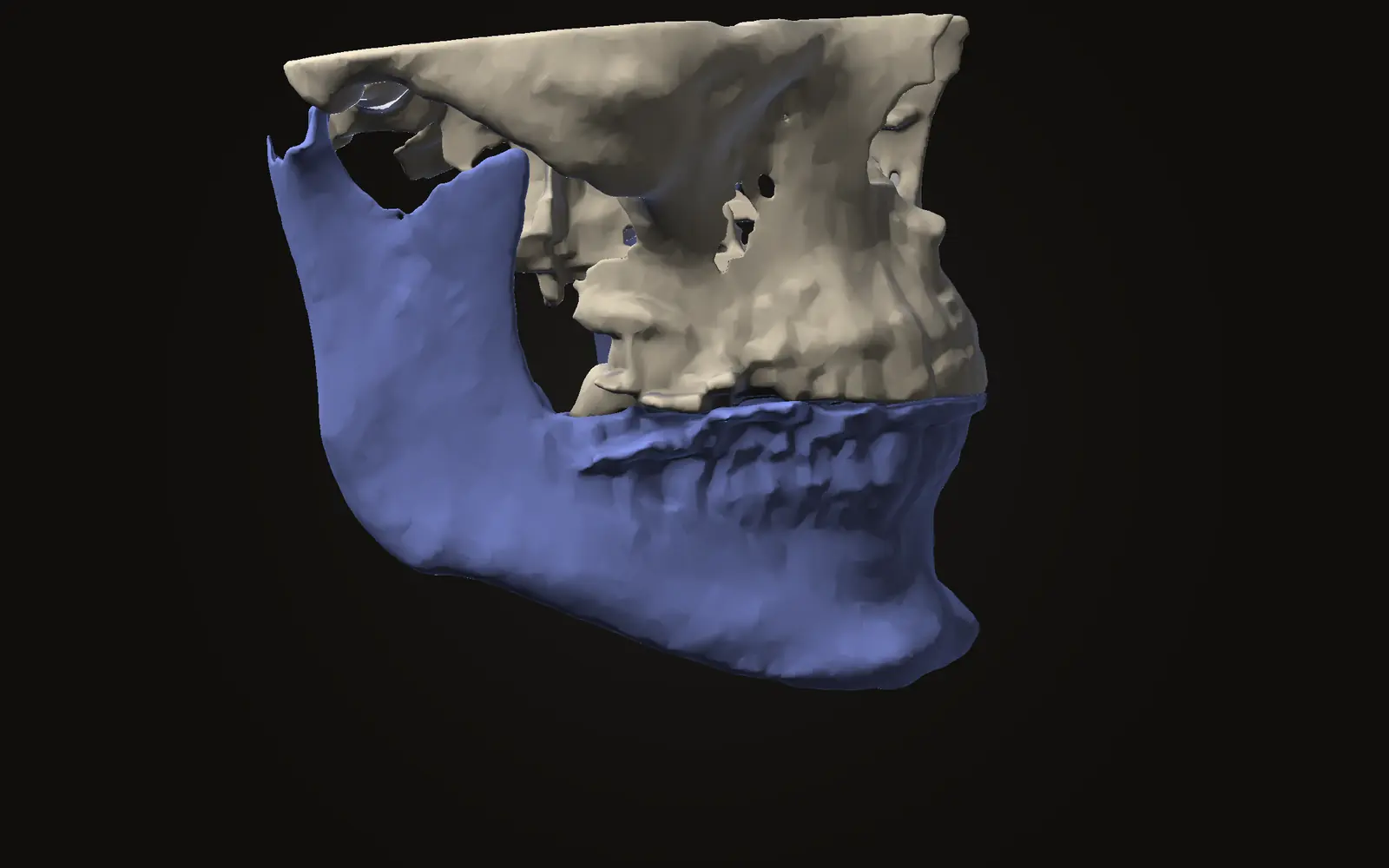
Where the inferior alveolar nerve canal runs in the lower jaw, how it shows on a CBCT scan, and how much it varies between people, with review figures.
Measurements explained
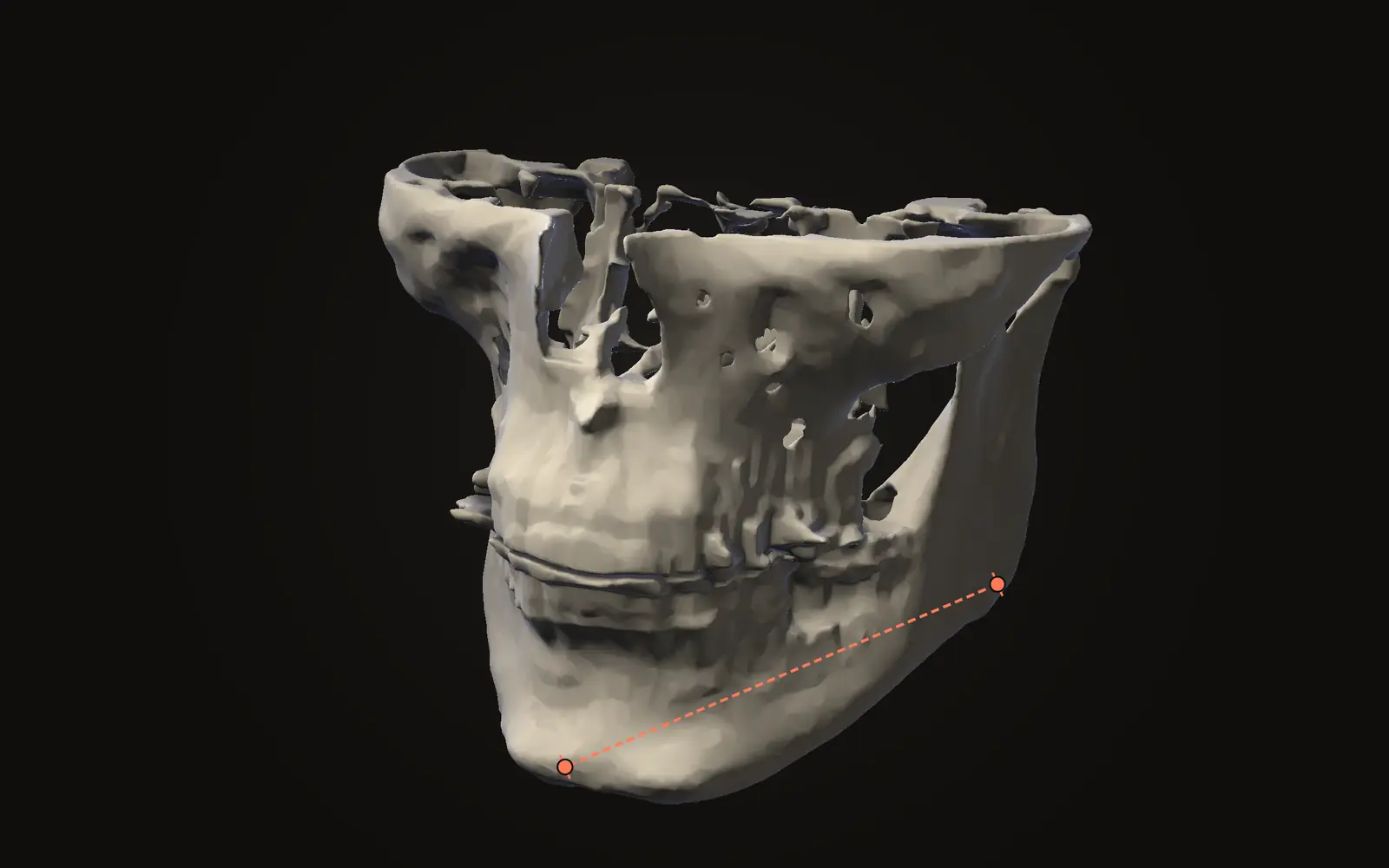
Two points make a distance, three an angle, a closed outline an area. How each measurement works on a scan, in which view to place it, and what to check.
Measurements explained
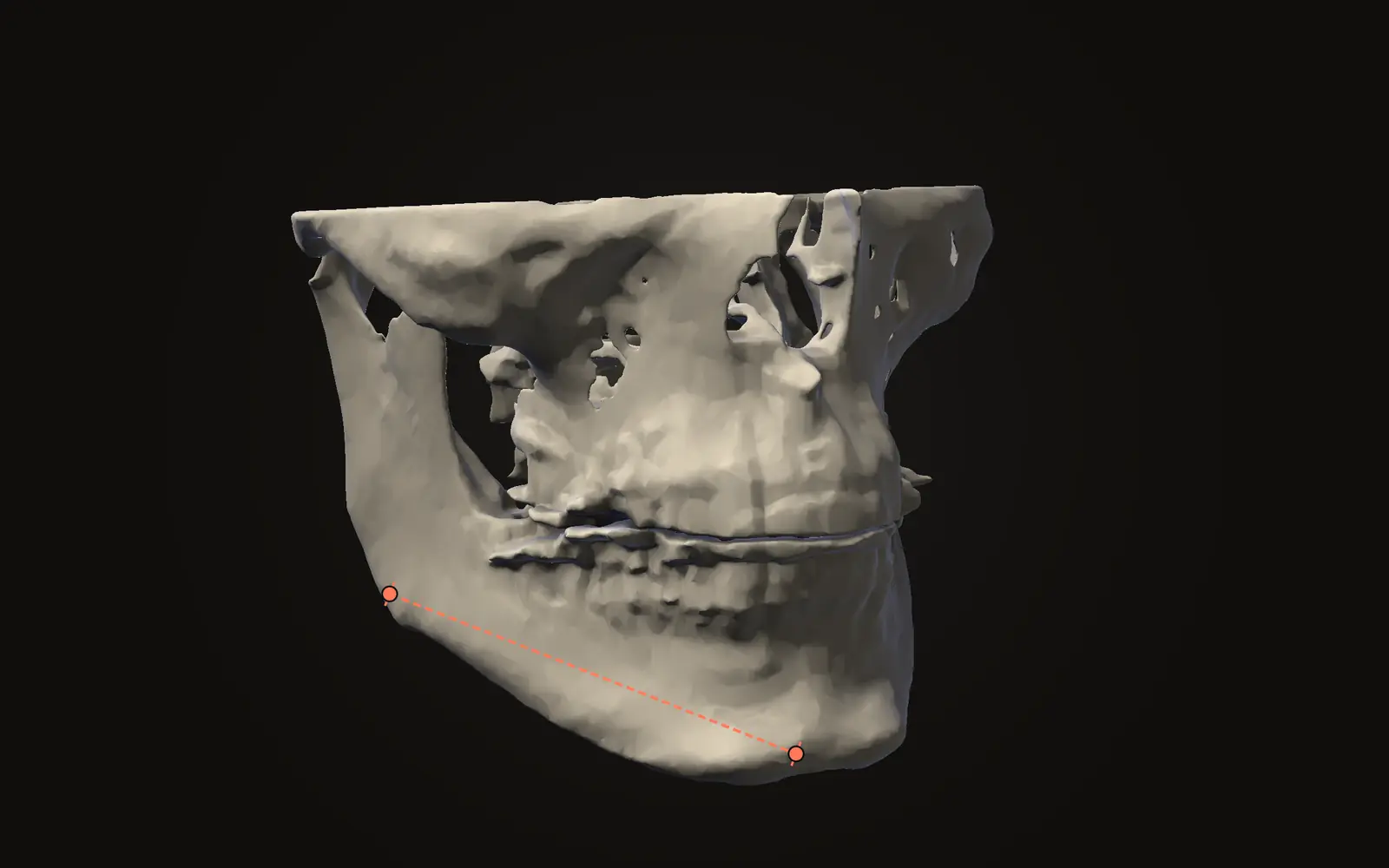
Reviews of CBCT linear measurements report a wide error range, over and under. What the studies tested, what voxel size does and what stays open.
Measurements explained
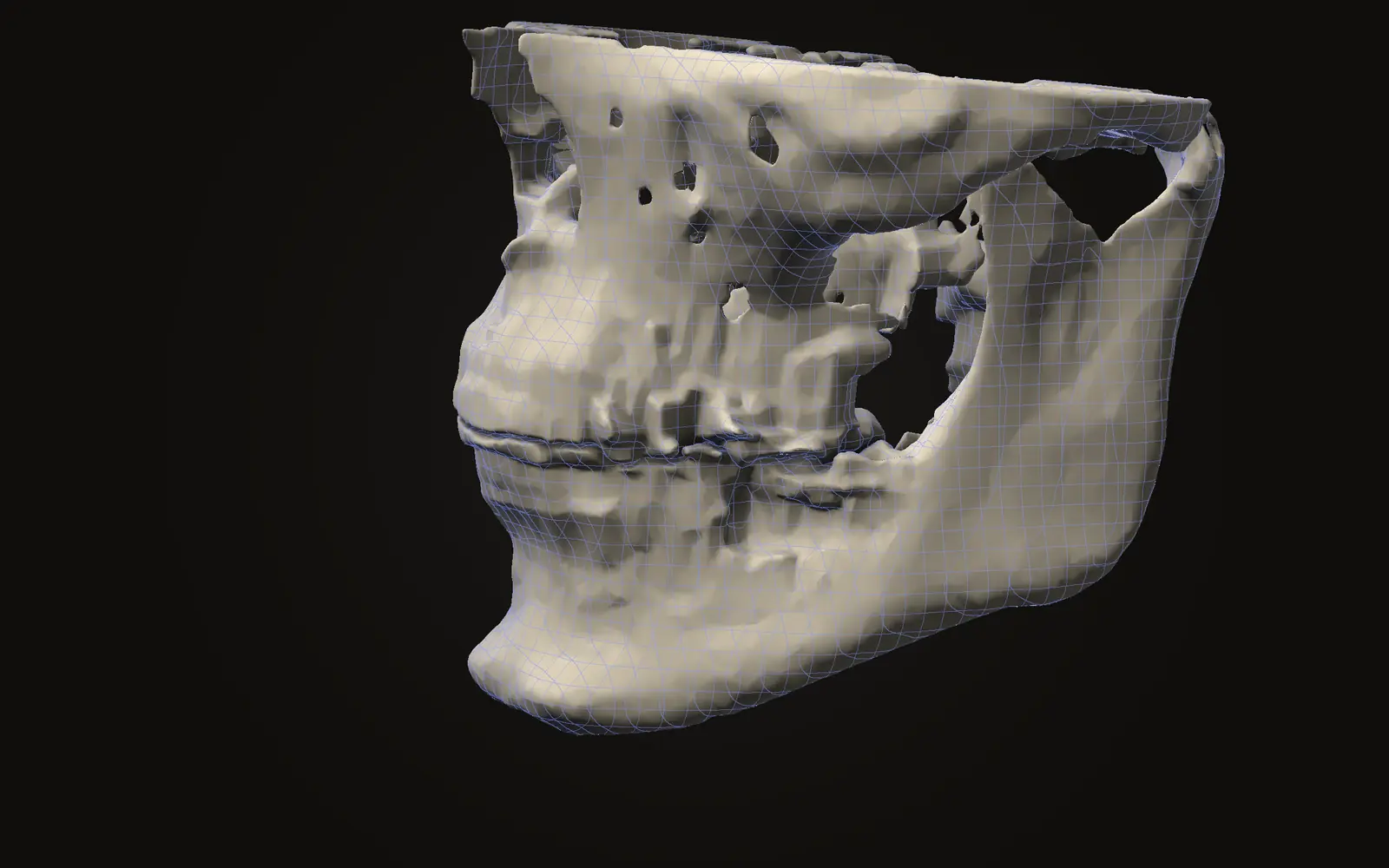
CBCT grey values are not calibrated Hounsfield units. What causes the gap, what phantom and calibration studies found, and what a viewer's number means.
Measurements explained
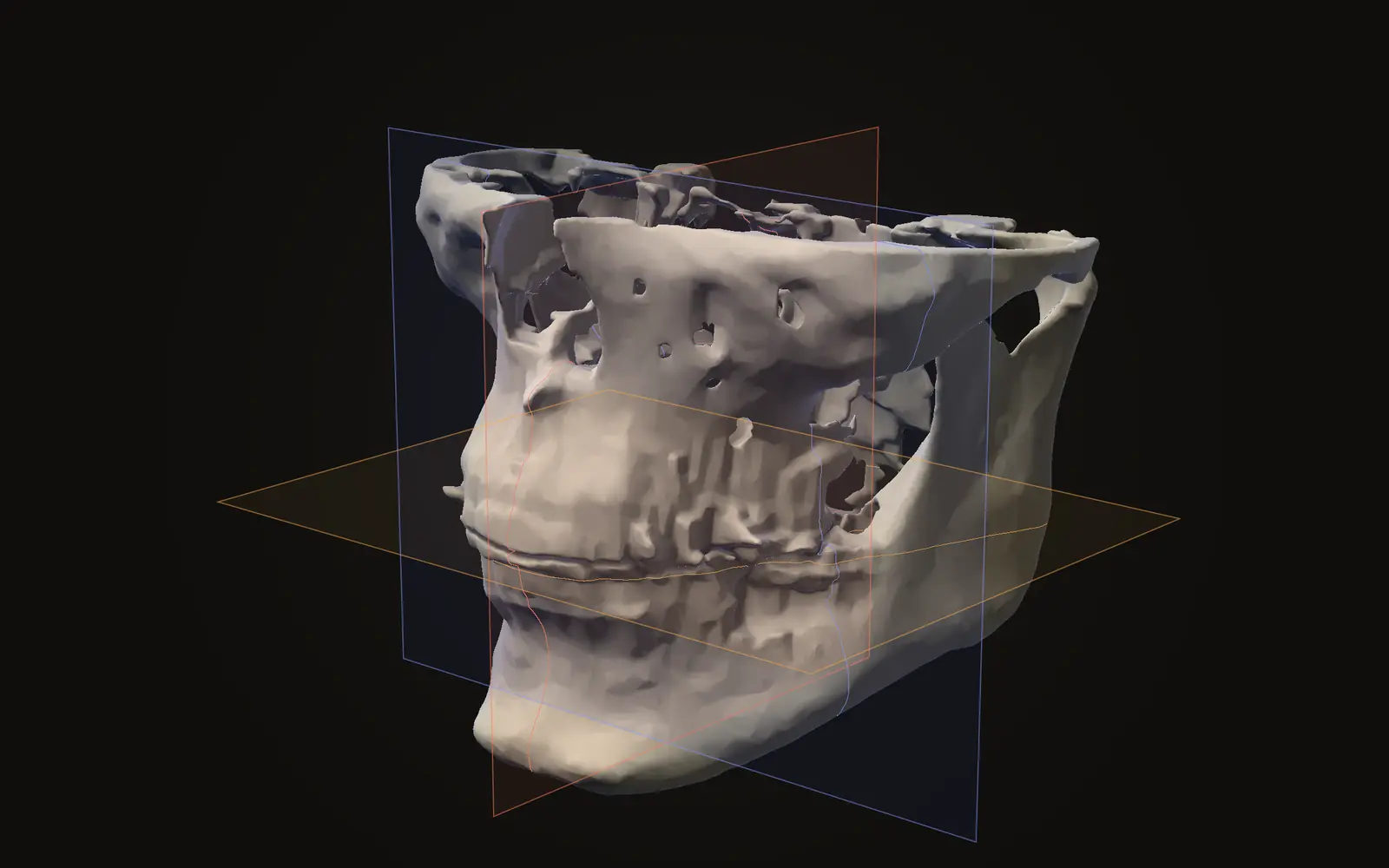
Registration lines up two CBCT scans before you compare them. Research reports 0.2 to 0.45 mm of leftover gap, and the reference region matters.